What conservation efforts are underway to protect wildlife on the island?
Similar Topics
wildlife conservation
protected areas
tramuntana
balearic shearwater
habitat restoration
invasive species
environmental education
natural reserves
If you’re exploring the Serra de Tramuntana or the coastline near Formentor, you might notice the care taken to preserve the island’s unique habitats. Local authorities and environmental groups have established protected zones like the Parc Natural de Mondragó and the S’Albufera wetlands near Alcudia, safeguarding habitats for native birds, reptiles, and plants. These areas help maintain biodiversity, allowing species such as the Balearic shearwater and local lizards to thrive without the pressures of urban expansion or tourism.
Community engagement plays a big role here too. Educational programs in Palma and smaller towns like Pollensa often invite residents and visitors to learn about the island’s natural heritage, encouraging sustainable behavior around beaches and rural trails. Guided nature walks and school projects instill respect for native flora and fauna, while volunteers sometimes join efforts to remove invasive species and restore native vegetation, particularly around delicate coastal spots like Cala Llombards or Sa Calobra.
Ongoing scientific monitoring helps shape effective conservation policies. Researchers based near Manacor and Valldemossa track wildlife populations and habitat conditions, ensuring that protective measures remain adaptive to challenges like climate change or development pressures along roads such as the Ma-13. Thanks to this combination of thoughtful reserve management, local involvement, and research, the island maintains a careful balance that protects its natural treasures for future visitors to appreciate.
Community engagement plays a big role here too. Educational programs in Palma and smaller towns like Pollensa often invite residents and visitors to learn about the island’s natural heritage, encouraging sustainable behavior around beaches and rural trails. Guided nature walks and school projects instill respect for native flora and fauna, while volunteers sometimes join efforts to remove invasive species and restore native vegetation, particularly around delicate coastal spots like Cala Llombards or Sa Calobra.
Ongoing scientific monitoring helps shape effective conservation policies. Researchers based near Manacor and Valldemossa track wildlife populations and habitat conditions, ensuring that protective measures remain adaptive to challenges like climate change or development pressures along roads such as the Ma-13. Thanks to this combination of thoughtful reserve management, local involvement, and research, the island maintains a careful balance that protects its natural treasures for future visitors to appreciate.
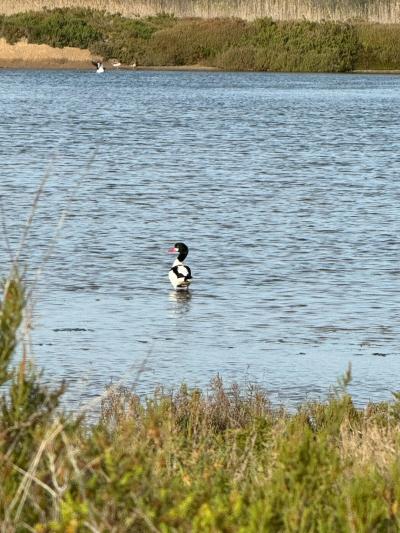
ses Covetes
More Fotos