How have Mallorca’s wine-making traditions shaped the design of its bodegas?
- Mallorca wine
- Bodega architecture
- Binissalem wine
- Serra de tramuntana
- Ma-13 vineyards
- Traditional bodegas
- Wine tasting rooms
- Mallorca viticulture
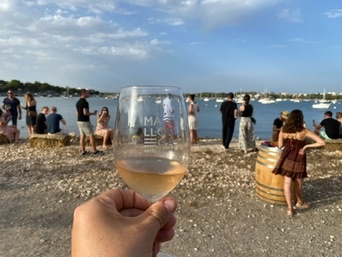
The island’s bodegas have evolved in harmony with centuries-old wine-making traditions, reflecting both the Mediterranean climate and the rugged landscape of the Serra de Tramuntana. Many estates, especially in the renowned Binissalem and Pla i Llevant DOs, feature thick stone walls and shaded courtyards that naturally regulate temperature and humidity, crucial for the delicate aging process of local wines. This practical architecture, often built from locally quarried limestone, helps maintain cool cellars where barrels of Manto Negro and Callet grapes quietly mature.
Beyond function, the design of Mallorca’s bodegas pays tribute to cultural heritage. Rustic wooden beams, traditional terracotta tiles, and touches of regional tilework echo the island’s artisanal past, inviting visitors to experience wine in settings that feel authentic and rooted in place. Some of the more modern estates, blending contemporary minimalist interiors with expansive terraces overlooking vineyards, offer panoramic views right along the Ma-13 road, weaving tradition with sophistication.
Tasting rooms are designed not just as spaces for sampling but as immersive experiences. Here you might enjoy a glass of local Binissalem red or a white blend while gazing across orderly rows of vines stretching toward the Tramuntana mountains, or under the shade of almond blossoms during the Festa de l’Ametler. The haciendas often host guided visits that showcase winemakers' respect for both history and innovation, underscoring how design and viticulture intertwine on this island to create a uniquely welcoming environment for wine enthusiasts.