What lesser-known architectural sites on the island should I explore beyond Palma?
Similar Topics
valldemossa architecture
deia stone houses
pollenca historic buildings
manacor modernism
serra de tramuntana
soller railway
cala llombards architecture
ma-10 scenic drive
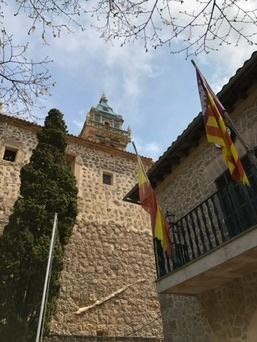
Budgeting some extra time to explore beyond Palma’s bustling center can lead to some delightful architectural surprises. In Valldemossa, the elegant Royal Charterhouse offers serene cloisters and a calm atmosphere away from the more frequented tourist spots, showcasing beautifully preserved Gothic and Baroque elements. Nearby Deia is dotted with traditional stone houses and quaint manors that reflect the rural charm of the Tramuntana foothills, a sharp contrast to the island’s coastal buzz.
In the northeast, Pollenca’s old town hides medieval churches and narrow cobbled streets lined with historic stone buildings, less crowded than Palma yet equally rich in heritage. The market town of Manacor, often overlooked, features some striking modernist buildings alongside its traditional architecture, making it an intriguing stop for those interested in the island’s evolving urban forms. Traveling the Ma-10 winding through the Tramuntana mountain range or hopping on the picturesque Soller railway can reveal charming stations and rustic bridges that blend into the dramatic landscape.
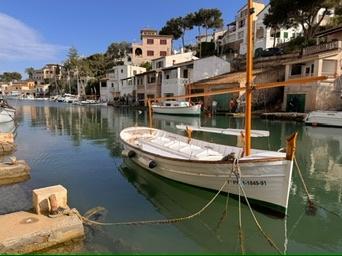
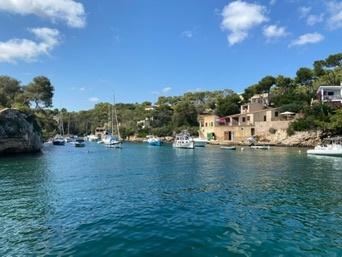
Often missed are the small chapels and rural fincas scattered inland or the modest fishing village architecture around Cala Llombards and Cala Mondrago, which still maintain a sense of authenticity. These spots provide a quiet counterpoint to the exuberance of the Sant Sebastià festival in Palma, where ornate baroque façades light up the festivities. Seeking out these quieter corners will deepen your appreciation for the island’s architectural layers and the balance it strikes between tradition and modern influences.
In the northeast, Pollenca’s old town hides medieval churches and narrow cobbled streets lined with historic stone buildings, less crowded than Palma yet equally rich in heritage. The market town of Manacor, often overlooked, features some striking modernist buildings alongside its traditional architecture, making it an intriguing stop for those interested in the island’s evolving urban forms. Traveling the Ma-10 winding through the Tramuntana mountain range or hopping on the picturesque Soller railway can reveal charming stations and rustic bridges that blend into the dramatic landscape.
Often missed are the small chapels and rural fincas scattered inland or the modest fishing village architecture around Cala Llombards and Cala Mondrago, which still maintain a sense of authenticity. These spots provide a quiet counterpoint to the exuberance of the Sant Sebastià festival in Palma, where ornate baroque façades light up the festivities. Seeking out these quieter corners will deepen your appreciation for the island’s architectural layers and the balance it strikes between tradition and modern influences.
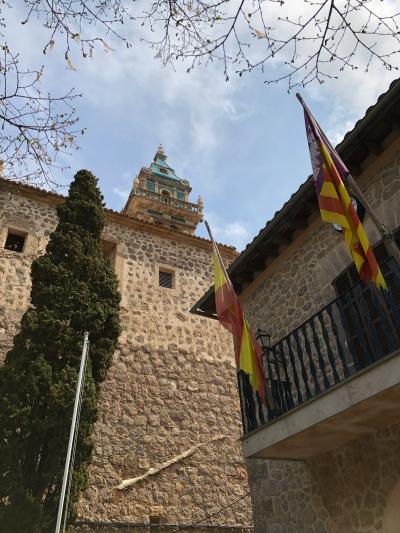
Valldemossa
More Fotos