Are there any unique wildlife or natural phenomena to see in Mallorca during winter?
Similar Topics
Mallorca winter wildlife
birdwatching Mallorca
Albufera Nature Reserve
Serra de Tramuntana hiking
Balearic lizard
sea of clouds phenomenon
Mallorca natural beauty
winter in Mallorca
sea caves Mallorca
Mallorca travel
Mallorca, while renowned for its summer beaches, offers a unique charm during winter, especially when it comes to wildlife and natural phenomena. The cooler months provide a tranquil atmosphere, allowing visitors to explore the island's diverse ecosystems without the bustling crowds. One of the most remarkable sights is the migration of various bird species, which can be observed in the wetlands and coastal areas. Locations like the Albufera Nature Reserve become a haven for birdwatchers, offering opportunities to spot herons, flamingos, and various migratory birds that stop here during their travels.
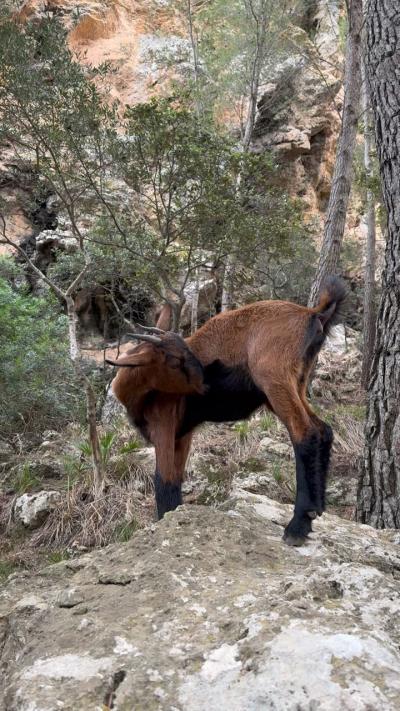
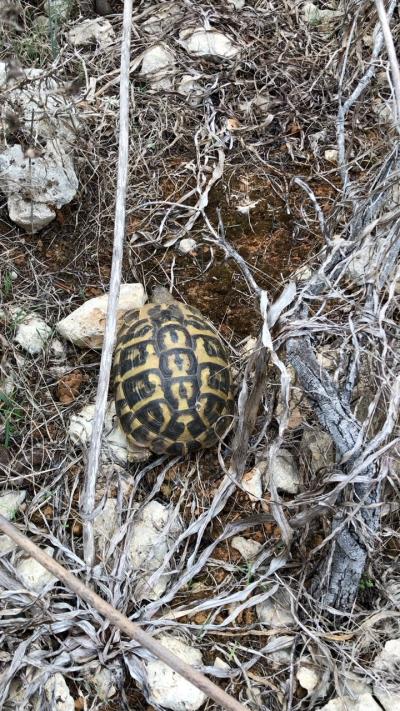
In addition to birdwatching, the winter months unveil a different side of Mallorca's rugged landscape. The Serra de Tramuntana mountain range, a UNESCO World Heritage site, transforms into a paradise for hikers and nature enthusiasts. The winter rains rejuvenate the flora, making the island's native plants more vibrant and lush. If you're lucky, you may even witness the stunning phenomenon of a "sea of clouds" enveloping the mountains, creating an ethereal atmosphere that is perfect for photography and contemplation. The winter also brings the chance to see local fauna, such as the endemic Balearic lizard, which can sometimes be spotted basking in the sun on the warm stones amidst the cooler temperatures.
Finally, winter in Mallorca is a time when the island's natural beauty can be enjoyed in a more intimate setting. The absence of the summer crowds means that you can explore the island's stunning coves and beaches in peace. While the sea may be too chilly for swimming, the dramatic cliffs and crystal-clear waters are perfect for peaceful walks and breathtaking views. Some visitors also relish the opportunity to witness the island's unique geological features, such as the fascinating sea caves along the coast, which can be explored through boat tours or hiking trails. Overall, Mallorca in winter offers a serene escape into nature, revealing the island's hidden wonders and wildlife in a way that few get to experience.
In addition to birdwatching, the winter months unveil a different side of Mallorca's rugged landscape. The Serra de Tramuntana mountain range, a UNESCO World Heritage site, transforms into a paradise for hikers and nature enthusiasts. The winter rains rejuvenate the flora, making the island's native plants more vibrant and lush. If you're lucky, you may even witness the stunning phenomenon of a "sea of clouds" enveloping the mountains, creating an ethereal atmosphere that is perfect for photography and contemplation. The winter also brings the chance to see local fauna, such as the endemic Balearic lizard, which can sometimes be spotted basking in the sun on the warm stones amidst the cooler temperatures.
Finally, winter in Mallorca is a time when the island's natural beauty can be enjoyed in a more intimate setting. The absence of the summer crowds means that you can explore the island's stunning coves and beaches in peace. While the sea may be too chilly for swimming, the dramatic cliffs and crystal-clear waters are perfect for peaceful walks and breathtaking views. Some visitors also relish the opportunity to witness the island's unique geological features, such as the fascinating sea caves along the coast, which can be explored through boat tours or hiking trails. Overall, Mallorca in winter offers a serene escape into nature, revealing the island's hidden wonders and wildlife in a way that few get to experience.
More Fotos



Related Questions
Related Question
How can I easily get to the best breakfast spots around Palma or other towns on the island?
Related Question
Are there monuments or sites on Mallorca related to figures from its religious or cultural history?
Related Question
What is the best time of day to visit Cala Torta for a swim?