Are there guided tours to explore Mallorca’s native wildlife and natural habitats?
Similar Topics
mallorca wildlife tours
tramuntana nature walks
es trenc birdwatching
mallorca marine tours
wildlife conservation mallorca
balearic lizard tours
tib bus tours
soller nature guides
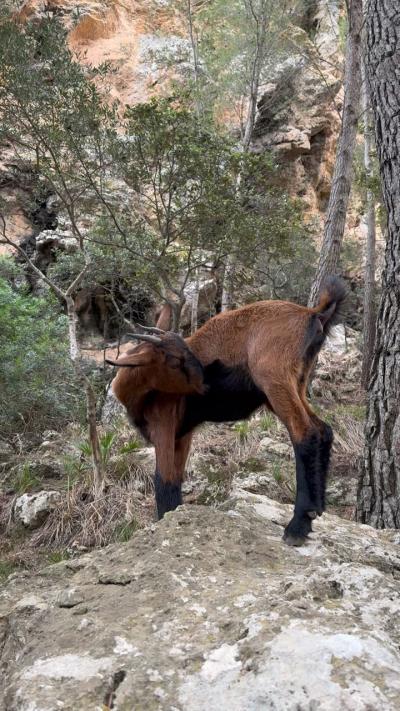
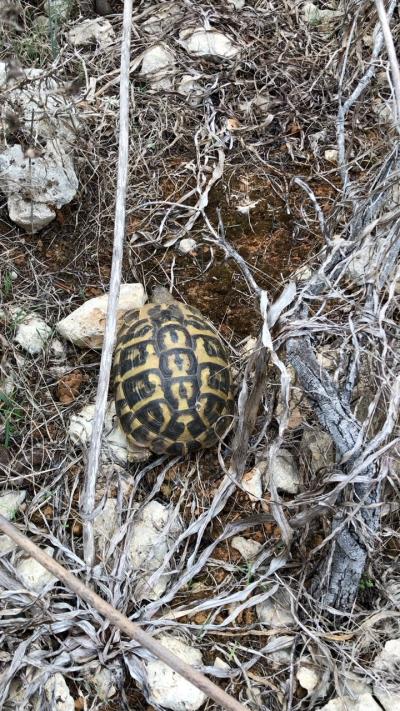
Exploring the northern Tramuntana mountains around Sóller offers some of the best opportunities to join guided tours focused on the island’s unique wildlife. Local guides often lead groups through pine forests and along coastal paths near secluded coves, like Cala Tuent, sharing insights about native birds, reptiles, and plants that are endemic to this Mediterranean landscape. These tours not only provide close observation chances but also educate visitors on the delicate balance of Mallorca’s ecosystems.
Along the south coast, areas like Es Trenc and the salt flats nearby are crucial habitats for migratory birds, and specialized guided walks allow birdwatchers to spot flamingos and other waders, especially during spring and autumn. Marine excursions departing from Palma or Port de Sóller also introduce participants to the rich underwater life of the Mediterranean, sometimes including dolphin watching or snorkeling sessions around rocky reefs.
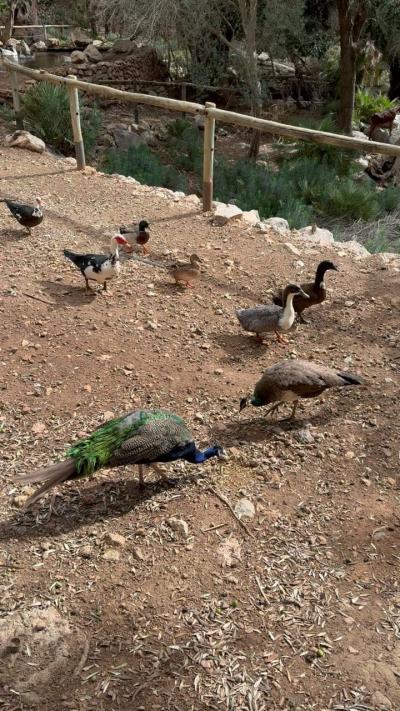
Wildlife sanctuaries on the island, such as the one near Manacor, occasionally offer behind-the-scenes tours where visitors learn firsthand about conservation projects aimed at protecting endangered species like the Balearic lizard. These experiences often include educational talks and opportunities to see efforts restoring native flora and fauna. Booking tours through the TIB network or local visitor centers helps ensure a knowledgeable guide, whether your interest lies in birdwatching, marine life, or terrestrial wildlife.
Seasonal variations bring different highlights, so it's worth checking availability depending on the time of year you visit. From the Serra de Tramuntana’s forested slopes to the wetlands of the Llevant region, guided tours provide a deeper connection with the island's natural heritage, making any visit richer and more rewarding.
Along the south coast, areas like Es Trenc and the salt flats nearby are crucial habitats for migratory birds, and specialized guided walks allow birdwatchers to spot flamingos and other waders, especially during spring and autumn. Marine excursions departing from Palma or Port de Sóller also introduce participants to the rich underwater life of the Mediterranean, sometimes including dolphin watching or snorkeling sessions around rocky reefs.
Wildlife sanctuaries on the island, such as the one near Manacor, occasionally offer behind-the-scenes tours where visitors learn firsthand about conservation projects aimed at protecting endangered species like the Balearic lizard. These experiences often include educational talks and opportunities to see efforts restoring native flora and fauna. Booking tours through the TIB network or local visitor centers helps ensure a knowledgeable guide, whether your interest lies in birdwatching, marine life, or terrestrial wildlife.
Seasonal variations bring different highlights, so it's worth checking availability depending on the time of year you visit. From the Serra de Tramuntana’s forested slopes to the wetlands of the Llevant region, guided tours provide a deeper connection with the island's natural heritage, making any visit richer and more rewarding.

More Fotos