What role did the Moors play in shaping Palma's history?
Similar Topics
Palma history
Moors influence
Moorish architecture
Balearic Islands
cultural heritage
Almudaina Palace
Moorish traditions
Palma tourism
historical significance
agricultural techniques
The Moors played a significant role in shaping Palma's history, leaving a lasting impact on the city's culture, architecture, and agricultural practices. In the early 10th century, after the Muslim conquest of the Balearic Islands, Palma became an important cultural and economic center. The Moors introduced advanced agricultural techniques, which transformed the arid landscape into fertile land. They cultivated crops like citrus fruits, almonds, and olives, which not only enriched the local diet but also contributed to the island's economy through trade.
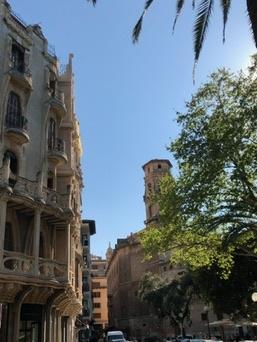
Architecturally, the influence of the Moors is evident throughout Palma. The remnants of their presence can be seen in the winding streets of the old town, the intricate designs of the buildings, and the stunning structures like the Almudaina Palace, which originally served as a Moorish fortress. The use of arches, tiles, and ornamental details in Palma's architecture reflects the rich artistic heritage brought by the Moors. Their impact extended beyond just the physical attributes of the city; they also contributed to the development of a vibrant cultural scene that included music, poetry, and philosophy, enriching the social fabric of Palma.
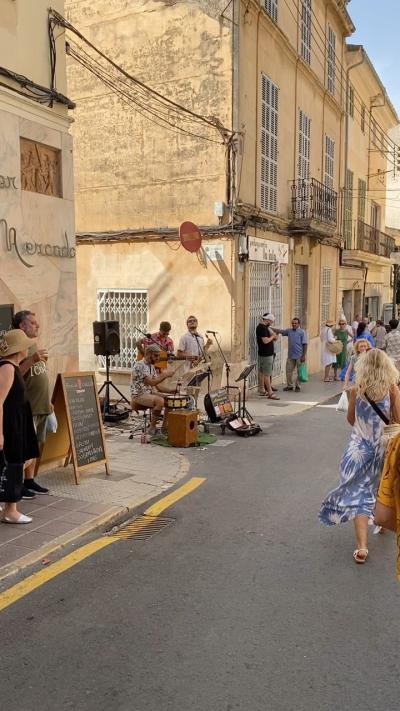
As you stroll through Palma today, you can still sense the historical significance of the Moorish period. The blend of cultures that emerged during their rule has made Palma a unique destination, where you can explore the remnants of this fascinating era alongside modern attractions. Whether you’re wandering through the narrow alleys, visiting ancient sites, or enjoying local cuisine that has roots in Moorish traditions, the legacy of the Moors is woven into the very essence of Palma, making it a captivating place to discover history and culture.
Architecturally, the influence of the Moors is evident throughout Palma. The remnants of their presence can be seen in the winding streets of the old town, the intricate designs of the buildings, and the stunning structures like the Almudaina Palace, which originally served as a Moorish fortress. The use of arches, tiles, and ornamental details in Palma's architecture reflects the rich artistic heritage brought by the Moors. Their impact extended beyond just the physical attributes of the city; they also contributed to the development of a vibrant cultural scene that included music, poetry, and philosophy, enriching the social fabric of Palma.
As you stroll through Palma today, you can still sense the historical significance of the Moorish period. The blend of cultures that emerged during their rule has made Palma a unique destination, where you can explore the remnants of this fascinating era alongside modern attractions. Whether you’re wandering through the narrow alleys, visiting ancient sites, or enjoying local cuisine that has roots in Moorish traditions, the legacy of the Moors is woven into the very essence of Palma, making it a captivating place to discover history and culture.
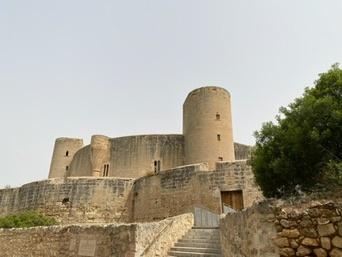
Palma
More Fotos