What is the history and cultural significance of Palma’s Plaça de Toros?
Similar Topics
plaça de toros
mallorca bullring
palma cultural venues
mallorca traditions
sant sebastià festival
nit de foc
spanish bullfighting
balearic events
The bullring in Palma de Mallorca has seen its role evolve considerably over recent decades. Once a vibrant center of bullfighting on the island, the Plaza de Toros was constructed in the early 20th century and today stands as a reminder of a tradition that has faded from local favor. Its circular structure and monumental brickwork are typical of the era, reflecting a Spanish architectural style that also sought to accommodate large crowds for various public events.
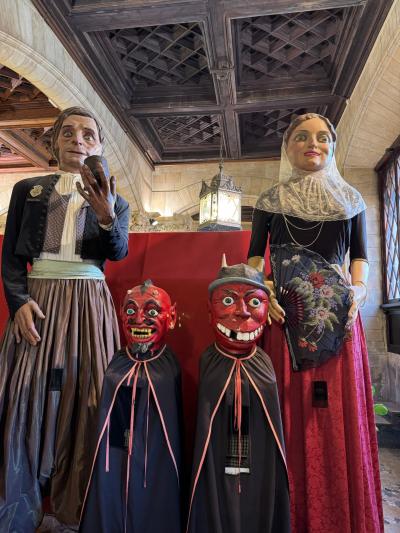
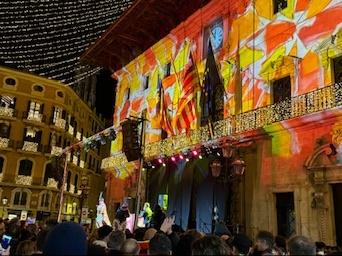
While bullfighting was once a mainstay here, shifting attitudes across Mallorca and the wider Balearic Islands have rendered it mostly obsolete. Instead, the space now often hosts concerts, fairs, and community festivals, particularly during major island celebrations like Sant Sebastià or Nit de Foc. This transformation underscores how Palma respects its historical roots while adapting to contemporary cultural tastes and sensitivities.
Exploring the plaza today offers visitors insight into Mallorca’s complex relationship with tradition and modernity. From its origins as a bullfighting arena to its current life as a versatile cultural venue, it remains a focal point for local gatherings and a testament to the island’s dynamic heritage. Whether you admire its architecture or catch a festival there, the plaça connects you to Palma’s evolving social fabric.
While bullfighting was once a mainstay here, shifting attitudes across Mallorca and the wider Balearic Islands have rendered it mostly obsolete. Instead, the space now often hosts concerts, fairs, and community festivals, particularly during major island celebrations like Sant Sebastià or Nit de Foc. This transformation underscores how Palma respects its historical roots while adapting to contemporary cultural tastes and sensitivities.
Exploring the plaza today offers visitors insight into Mallorca’s complex relationship with tradition and modernity. From its origins as a bullfighting arena to its current life as a versatile cultural venue, it remains a focal point for local gatherings and a testament to the island’s dynamic heritage. Whether you admire its architecture or catch a festival there, the plaça connects you to Palma’s evolving social fabric.
Calvià
More Fotos