What style of architecture is unique to Mallorca’s traditional buildings?
Similar Topics
mallorca architecture
serra de tramuntana
valldemossa buildings
palma cathedral
mallorcan stone houses
traditional patios
local craftsmanship
mediterranean style
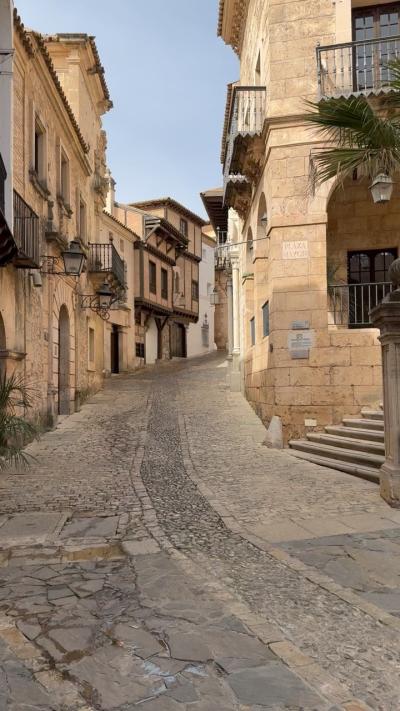
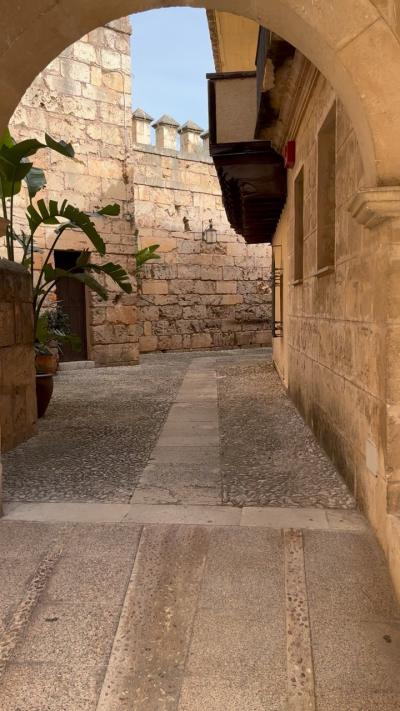
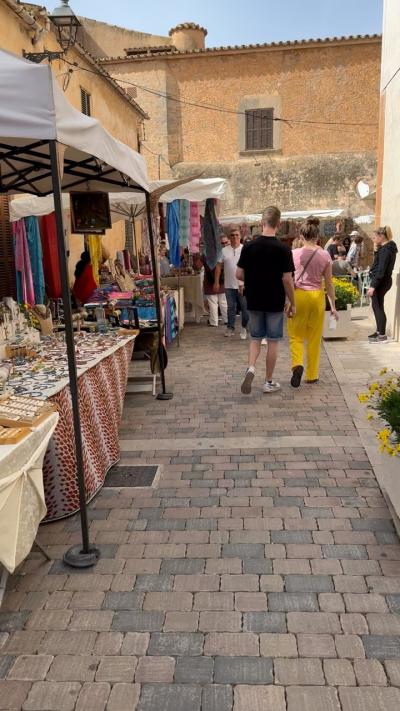
The island’s traditional architecture is best experienced in towns like Valldemossa and Deià, where stone houses with thick walls and wooden shutters reflect a design adapted to the Mediterranean climate. Buildings often feature terracotta roofs and simple facades painted in warm earth tones, blending harmoniously with the surrounding Serra de Tramuntana landscape. This style combines Moorish influences with local Mallorcan craftsmanship, creating homes that are both functional and charmingly rustic. Narrow cobbled streets lead to these historic houses, proving the architectural focus on community and shade from the hot sun.
In urban centers like Palma, the architecture evolves to include Gothic and Renaissance elements, especially visible in landmarks such as La Seu cathedral and Palma’s old town palaces. Here, ancient stonework sits alongside modern renovations that respect the city’s heritage. The integration of courtyards, known locally as “patios,” is a hallmark of Mallorcan homes, offering a private outdoor space lush with native plants, which softens the transition between indoors and outdoors.
Sustainability and the use of local materials remain important in both historic and contemporary Mallorcan architecture. Local stone and wood provide insulation and contribute a natural aesthetic, while recent projects often incorporate eco-friendly technologies to reduce energy use. Whether wandering through the rustic villages or the elegant city quarters, the island’s architecture tells a story of adaptation to both climate and culture, celebrating tradition while embracing subtle modernity.
In urban centers like Palma, the architecture evolves to include Gothic and Renaissance elements, especially visible in landmarks such as La Seu cathedral and Palma’s old town palaces. Here, ancient stonework sits alongside modern renovations that respect the city’s heritage. The integration of courtyards, known locally as “patios,” is a hallmark of Mallorcan homes, offering a private outdoor space lush with native plants, which softens the transition between indoors and outdoors.
Sustainability and the use of local materials remain important in both historic and contemporary Mallorcan architecture. Local stone and wood provide insulation and contribute a natural aesthetic, while recent projects often incorporate eco-friendly technologies to reduce energy use. Whether wandering through the rustic villages or the elegant city quarters, the island’s architecture tells a story of adaptation to both climate and culture, celebrating tradition while embracing subtle modernity.

More Fotos

Related Questions
Related Question
Are there any worthwhile stops on the drive to La Reserva Puig de Galatzó?
Related Question
How did the population of Mallorca change during the 19th century in relation to economic growth?
Related Question
What is a good hiking route for someone new to walking in the Serra de Tramuntana?