Are there opportunities to explore sustainable farming and local agriculture on the island?
Similar Topics
sustainable farming
organic agriculture
vallldemossa farms
pollenca market
binissalem wine
serra de tramuntana
local food mallorca
permaculture workshops
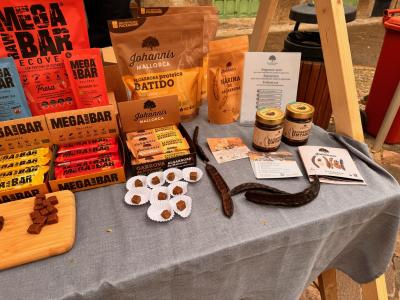
In the hills around Valldemossa and the plains near Manacor, several farms invite visitors to discover centuries-old agricultural traditions now blended with sustainable practices. These working estates often welcome guests for tours where you can learn how they cultivate olives, almonds, and carob trees organically, mindful of the island’s delicate ecosystem. Many focus on water conservation, a vital concern here, showing how dryland farming techniques limit irrigation and respect the landscape.
Workshops held in rural cooperatives or agritourism farms sometimes delve deeper into permaculture and soil regeneration, helping visitors understand the balance between productivity and protecting the Serra de Tramuntana hinterland. It’s common to encounter organic veggie plots, companion planting, and vineyards dedicated to native grape varieties like those from Binissalem, where sustainable viticulture supports biodiversity and adds to Mallorca's rich culinary offerings.
The weekly markets in towns like Soller and Pollenca offer direct contact with the producers themselves. Speaking with local farmers about their use of natural fertilizers and crop rotation gives a vivid sense of the challenges and rewards of farming here. Sampling traditional foods such as sobrassada and pa amb oli made from local ingredients underlines just how intertwined sustainable farming is with the island’s food culture and community life.
Workshops held in rural cooperatives or agritourism farms sometimes delve deeper into permaculture and soil regeneration, helping visitors understand the balance between productivity and protecting the Serra de Tramuntana hinterland. It’s common to encounter organic veggie plots, companion planting, and vineyards dedicated to native grape varieties like those from Binissalem, where sustainable viticulture supports biodiversity and adds to Mallorca's rich culinary offerings.
The weekly markets in towns like Soller and Pollenca offer direct contact with the producers themselves. Speaking with local farmers about their use of natural fertilizers and crop rotation gives a vivid sense of the challenges and rewards of farming here. Sampling traditional foods such as sobrassada and pa amb oli made from local ingredients underlines just how intertwined sustainable farming is with the island’s food culture and community life.
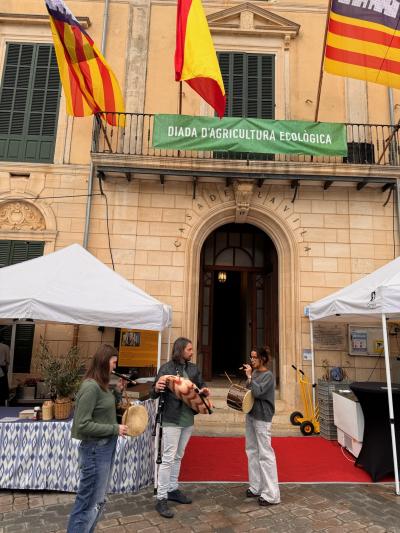
Porreres
More Fotos



Related Questions
Related Question
Where can I find a nice restaurant for dinner after watching the sunset in Palma or nearby coastal towns?
Related Question
What local festivals or events should I look out for during my trip to Mallorca?
Related Question
What outdoor activities can I enjoy in and around Ses Salines?