How have these traditions evolved over the years in Mallorca?
Similar Topics
Mallorca traditions
Fira del Ram
Sant Joan celebrations
Mallorcan culture
traditional dishes Mallorca
ensaimada
sobrasada
Mallorca festivals
cultural heritage Mallorca
local artisans Mallorca
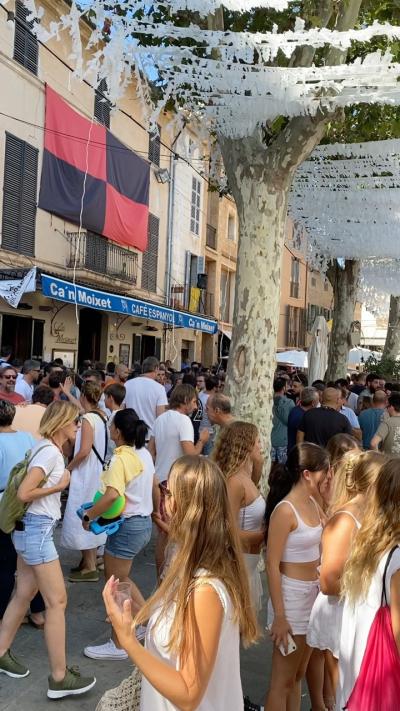
The traditions of Mallorca have evolved significantly over the years, shaped by a rich tapestry of historical influences, cultural exchanges, and the island's own unique identity. Originally rooted in agricultural practices, many customs were closely tied to the land and its cycles. For instance, festivities like the Fira del Ram and Sant Joan have their origins in ancient rituals celebrating the harvest and the changing seasons. Over time, these events have transformed, incorporating modern elements while still honoring their historical significance. Today, you can witness vibrant parades, music, and dance, blending traditional folk art with contemporary expressions.
As tourism began to flourish, especially in the mid-20th century, many Mallorcan traditions adapted to accommodate visitors. Local artisans have started to showcase their crafts in markets, and culinary traditions have been revitalized to highlight the island’s unique flavors. Traditional dishes such as ensaimada and sobrasada have gained popularity among tourists, and you may find that local restaurants now offer innovative takes on these beloved classics. Moreover, the island's festivals, like the famous Sant Joan celebrations in June, have evolved to include both locals and visitors in the festivities, creating a lively, communal atmosphere that highlights Mallorcan hospitality.
Despite these changes, the essence of Mallorcan culture remains intact, with a strong emphasis on community and family values. Traditional music and dance still play an important role in local life, with events showcasing the island's folk heritage regularly occurring throughout the year. The evolution of these traditions reflects a delicate balance between honoring the past and embracing the present, ensuring that both residents and visitors can experience the rich cultural heritage of Mallorca. As you explore the island, you'll find that each tradition tells a story, inviting you to connect with the local way of life in a meaningful way.
As tourism began to flourish, especially in the mid-20th century, many Mallorcan traditions adapted to accommodate visitors. Local artisans have started to showcase their crafts in markets, and culinary traditions have been revitalized to highlight the island’s unique flavors. Traditional dishes such as ensaimada and sobrasada have gained popularity among tourists, and you may find that local restaurants now offer innovative takes on these beloved classics. Moreover, the island's festivals, like the famous Sant Joan celebrations in June, have evolved to include both locals and visitors in the festivities, creating a lively, communal atmosphere that highlights Mallorcan hospitality.
Despite these changes, the essence of Mallorcan culture remains intact, with a strong emphasis on community and family values. Traditional music and dance still play an important role in local life, with events showcasing the island's folk heritage regularly occurring throughout the year. The evolution of these traditions reflects a delicate balance between honoring the past and embracing the present, ensuring that both residents and visitors can experience the rich cultural heritage of Mallorca. As you explore the island, you'll find that each tradition tells a story, inviting you to connect with the local way of life in a meaningful way.

Cala Figuera
More Fotos