What unique wildlife can I spot when traveling to Mallorca's beaches?
Similar Topics
mallorca wildlife
es trenc birds
formentor dolphins
tramuntana reptiles
cala mondrago fauna
balearic midwife toad
alcudia wetlands
coastal birdwatching
Early mornings and late afternoons are the best times to notice the island's wildlife along the coast. As you approach Es Trenc or Cala Mondrago, you might glimpse graceful seabirds like Audouin's gulls or slender little egrets standing quietly in the shallows. Along quieter coves, the flash of a kingfisher diving for fish or the distant call of a black wheatear adds life to the landscape. In the waters off Formentor, dolphins occasionally surface, captivating onlookers with their playful leaps.
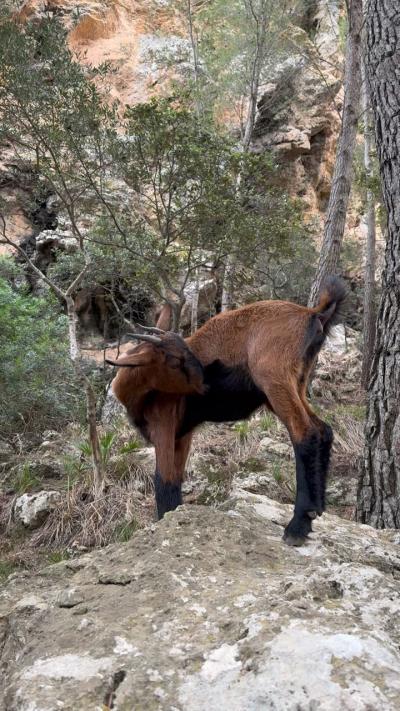
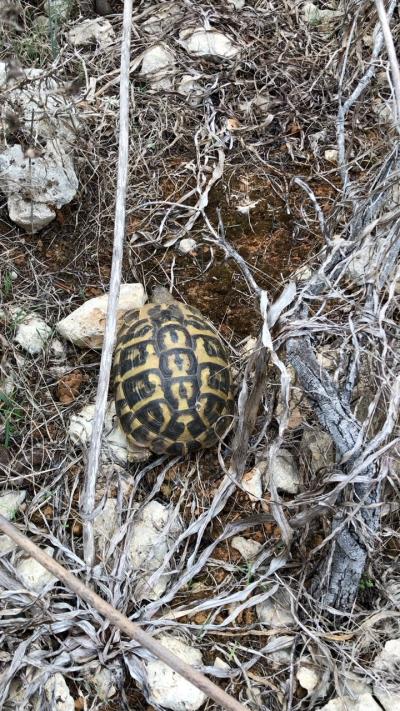
Beyond the shoreline, the dunes and scrubland near beaches such as Cala Llombards harbor small mammals like rabbits and even the elusive Balearic midwife toad, endemic to the Tramuntana foothills. Raptors, including booted eagles, soar high overhead, eyeing the patchwork of farmland and pine forests. Inland near the Serra de Tramuntana, you may spot reptiles basking on warm rocks or hear the rhythmic choruses of frogs in hidden streams.
Ocean currents around the island support a diversity of marine life, with colorful fish visible in the crystal-clear coves, and, on rare occasions, sea turtles gliding beneath the surface. Coastal wetlands near Alcudia and Pollenca serve as vital resting spots for migratory birds during spring and autumn, offering nature watchers a rich variety of species to appreciate. Traveling by scenic routes like the Ma-10 and local TIB buses, keep your eyes peeled—these brief wildlife encounters turn a simple trip to the beach into an immersive experience of the island’s natural heritage.
Beyond the shoreline, the dunes and scrubland near beaches such as Cala Llombards harbor small mammals like rabbits and even the elusive Balearic midwife toad, endemic to the Tramuntana foothills. Raptors, including booted eagles, soar high overhead, eyeing the patchwork of farmland and pine forests. Inland near the Serra de Tramuntana, you may spot reptiles basking on warm rocks or hear the rhythmic choruses of frogs in hidden streams.
Ocean currents around the island support a diversity of marine life, with colorful fish visible in the crystal-clear coves, and, on rare occasions, sea turtles gliding beneath the surface. Coastal wetlands near Alcudia and Pollenca serve as vital resting spots for migratory birds during spring and autumn, offering nature watchers a rich variety of species to appreciate. Traveling by scenic routes like the Ma-10 and local TIB buses, keep your eyes peeled—these brief wildlife encounters turn a simple trip to the beach into an immersive experience of the island’s natural heritage.

More Fotos

Related Questions
Related Question
What are the best transportation options to reach Platja de Muro from Can Picafort?
Related Question
How crowded do popular hiking routes like the Torrent de Pareis get during peak season in Mallorca?
Related Question
Where can families find farms or markets with hands-on experiences for children in Mallorca?