How is sustainable fishing supported on Mallorca's coasts?
Similar Topics
sustainable fishing
mallorca coasts
local fisheries
hand-lining
aquaculture mallorca
community-supported fisheries
posidonia meadows
pollenca fishing
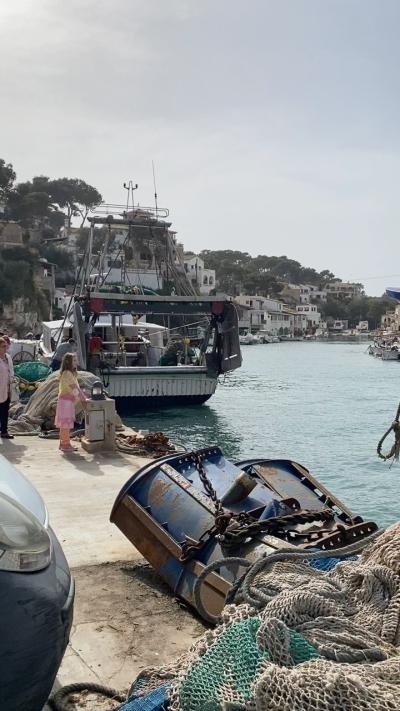
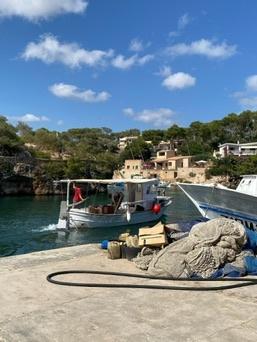
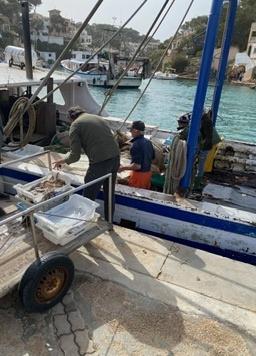
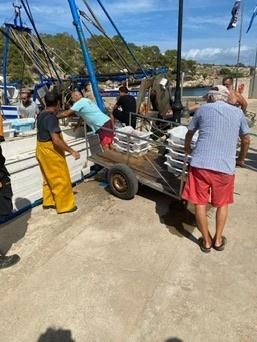
On the northern shores around Pollenca and Formentor, traditional fishing methods remain vital for maintaining healthy fish stocks. Many local fishermen prefer hand-lining or using small traps rather than trawling, which helps protect the seagrass beds and posidonia meadows that are crucial habitats. This approach limits bycatch and preserves the underwater ecosystems that sustain the island’s rich marine life.
Fish farms near Alcudia and Manacor have gradually introduced more sustainable practices, including responsible sourcing of feed and improved waste management systems. Efforts to reduce carbon footprints through renewable energy and water recirculation are becoming more common. These aquaculture operations not only supply fresh seafood to local markets but also aim to minimize environmental impacts.
Community-supported fisheries connected to towns like Palma and Soller foster closer ties between consumers and fishermen. They encourage diners to choose sustainable catches, often featured alongside traditional dishes like tumbet or fresh pescaito. Local markets and restaurants regularly highlight responsible sourcing, sometimes during events connected to festivals such as Sant Sebastia. This educational emphasis helps visitors make dining choices that benefit both the island’s marine health and its fishing communities.
Fish farms near Alcudia and Manacor have gradually introduced more sustainable practices, including responsible sourcing of feed and improved waste management systems. Efforts to reduce carbon footprints through renewable energy and water recirculation are becoming more common. These aquaculture operations not only supply fresh seafood to local markets but also aim to minimize environmental impacts.
Community-supported fisheries connected to towns like Palma and Soller foster closer ties between consumers and fishermen. They encourage diners to choose sustainable catches, often featured alongside traditional dishes like tumbet or fresh pescaito. Local markets and restaurants regularly highlight responsible sourcing, sometimes during events connected to festivals such as Sant Sebastia. This educational emphasis helps visitors make dining choices that benefit both the island’s marine health and its fishing communities.
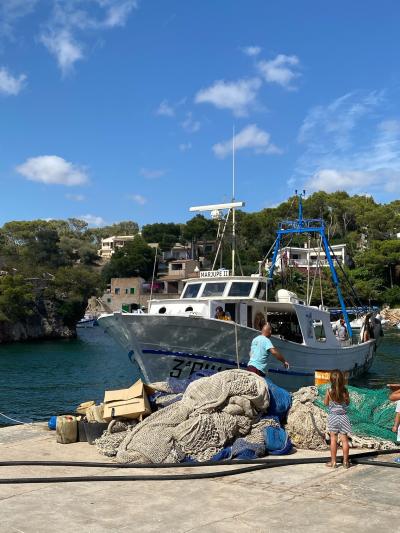
Cala Figuera
More Fotos