What geological formations can I see in the caves around Mallorca?
- Mallorca caves
- Stalactites
- Stalagmites
- Flowstone
- Cave pearls
- Drapery formations
- Cuevas del drach
- Cuevas de campanet
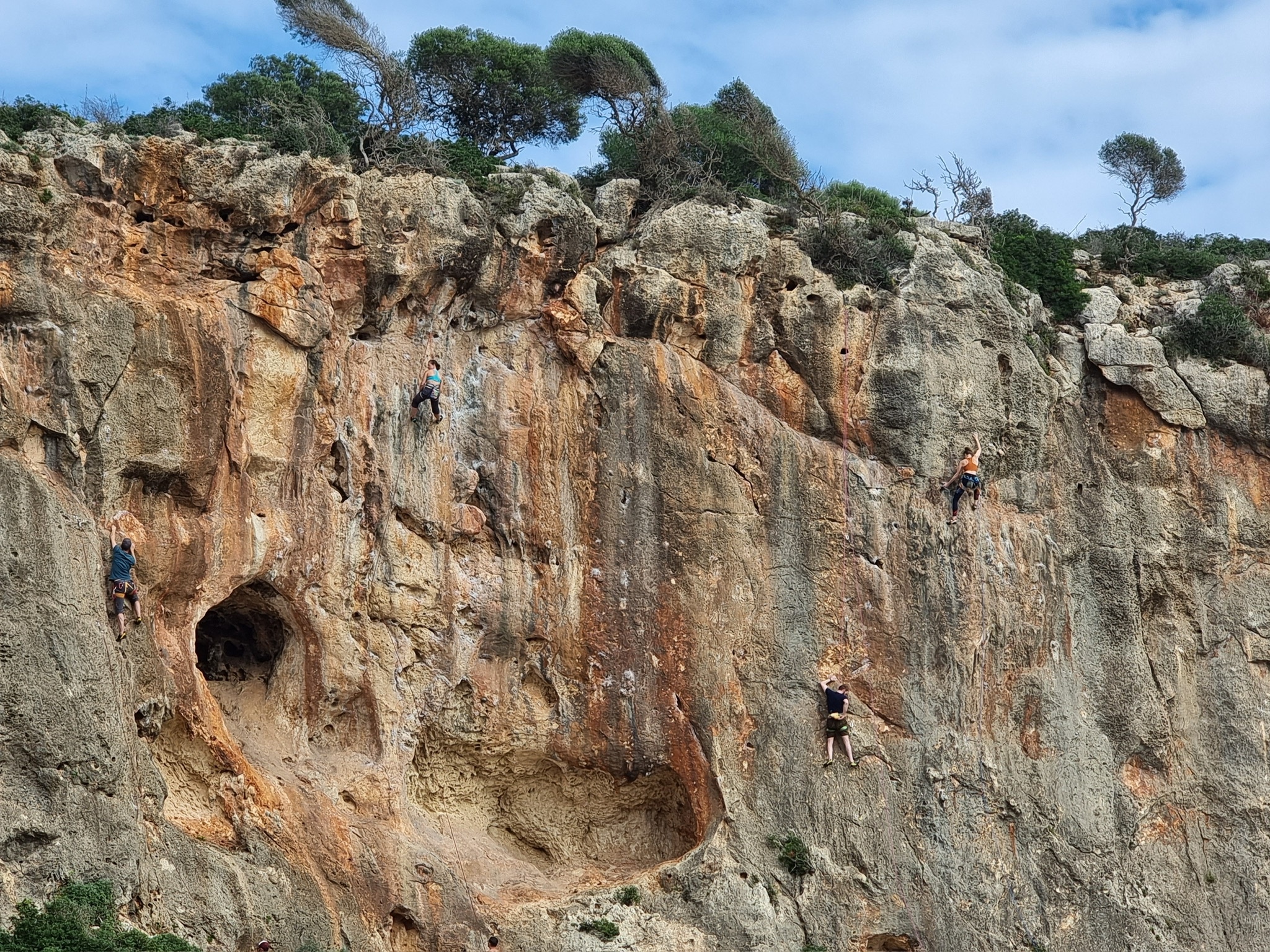
The caves around the island reveal a stunning geological history sculpted over millennia. In the Cuevas del Drach near Porto Cristo, for instance, visitors encounter dramatic stalactites clinging to cave ceilings like stone icicles, formed by mineral-rich water dripping steadily over thousands of years. Directly below, stalagmites rise from the cave floor, growing upwards as minerals deposit drop by drop, sometimes meeting the stalactites to form impressive columns that create natural pillars throughout the caverns.
Beyond these classic structures, the caves often display shimmering flowstones—smooth, layered mineral deposits formed where water has slowly traced the walls and floors, giving the effect of frozen waterfalls. Drapery formations, thin sheets of calcite resembling delicate curtains, are also common, especially in places like the Cuevas de Campanet. Occasionally, small cave pearls can be spotted in shallow pools, tiny rounded mineral accumulations that spin gently in the water’s motion.
Exploring these caves offers a window into the island’s ancient natural processes, where each formation tells a story of time and patience. The diversity and artistry of these structures vary cave to cave, but all are striking reminders of the geological forces shaping Mallorca’s subterranean world.