How has the history of Mallorca influenced its local architecture?
Similar Topics
Mallorca architecture
history of Mallorca
Gothic architecture
Moorish influence
La Seu Cathedral
Mallorca travel
Valldemossa
Sóller
Antoni Gaudí
traditional and contemporary design
Mallorca's architecture is a captivating reflection of its rich and diverse history, shaped by various cultures that have settled on the island over centuries. The Phoenicians were among the first to arrive, establishing trade routes that would later attract the Romans. Their influence is evident in the remnants of ancient structures and the layout of towns. Following the Roman period, the Moors ruled Mallorca for nearly 300 years, leaving a profound impact on the island’s architectural style. This era introduced intricate designs, lush gardens, and the distinctive use of arches and tiles, which can still be appreciated in many of Mallorca’s charming old towns and rural areas.
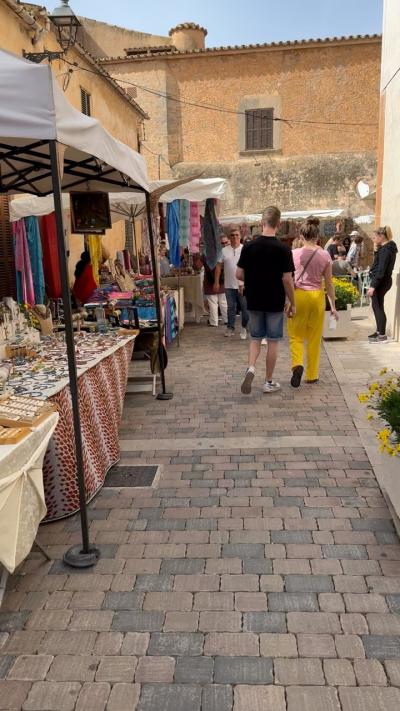
The Gothic period brought another wave of architectural transformation, especially visible in the majestic cathedrals and churches that dot the landscape. The iconic La Seu Cathedral in Palma, with its soaring spires and stunning stained glass, stands as a testament to this era, blending elements of both Gothic and Moorish design. As you explore the narrow streets of towns like Valldemossa and Sóller, you'll notice the use of local materials, such as sandstone and limestone, which not only reflect the island’s natural beauty but also showcase the craftsmanship that has been passed down through generations.
In more recent history, the influence of modernism can be seen in the works of architects like Antoni Gaudí, who contributed to the island's unique character with structures that harmonize with the natural environment. The blend of traditional and contemporary elements creates a fascinating architectural tapestry that tells the story of Mallorca’s evolution. As you wander through its picturesque villages and bustling cities, you are not just observing buildings; you are experiencing the layers of history and culture that have shaped this beautiful island into the vibrant destination it is today.
The Gothic period brought another wave of architectural transformation, especially visible in the majestic cathedrals and churches that dot the landscape. The iconic La Seu Cathedral in Palma, with its soaring spires and stunning stained glass, stands as a testament to this era, blending elements of both Gothic and Moorish design. As you explore the narrow streets of towns like Valldemossa and Sóller, you'll notice the use of local materials, such as sandstone and limestone, which not only reflect the island’s natural beauty but also showcase the craftsmanship that has been passed down through generations.
In more recent history, the influence of modernism can be seen in the works of architects like Antoni Gaudí, who contributed to the island's unique character with structures that harmonize with the natural environment. The blend of traditional and contemporary elements creates a fascinating architectural tapestry that tells the story of Mallorca’s evolution. As you wander through its picturesque villages and bustling cities, you are not just observing buildings; you are experiencing the layers of history and culture that have shaped this beautiful island into the vibrant destination it is today.

More Fotos