How can I explore authentic Mallorcan food culture beyond dining at restaurants?
Similar Topics
mallorcan food culture
sobrassada
pa amb oli
mercat de l’olivar
ensaimada
binissalem wine
cooking classes mallorca
food tours pollenca
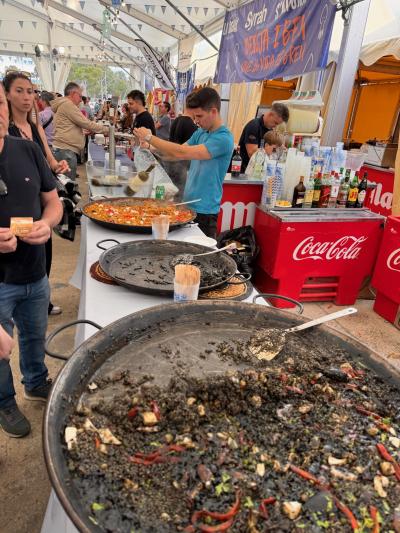
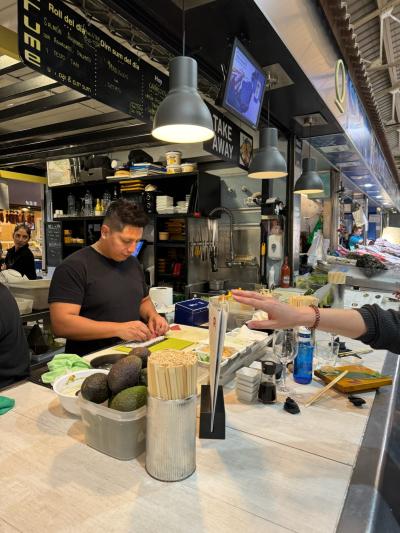
Early mornings in towns like Palma or Alcudia bring bustling markets to life, offering a perfect way to dive into the island's culinary rhythms away from restaurant menus. Visiting markets such as Mercat de l’Olivar in Palma or the weekly market in Sineu reveals fresh local produce like olives, almonds, and aromatic herbs that shape traditional dishes. Strolling between stands where farmers sell sobrassada, olives, and artisan cheeses also opens the door to conversations that illuminate Mallorca’s unique food heritage.
Joining a cooking class near Valldemossa or Deia enhances this experience by teaching you to prepare classics such as tumbet or pa amb oli—spreading ripe tomatoes and local olive oil over rustic bread by hand. Some workshops begin with a market visit, selecting ingredients freshly harvested from the island’s fields and orchards. These classes often share stories behind the recipes, rooted in generations of Mallorcan family kitchens.
For those interested in deeper immersion, food tours that wind through less touristy neighborhoods or villages like Pollenca reveal hidden cafes and stalls selling ensaimada pastries and freshly brewed Hierbas. Alternatively, arranging to share a meal with a Mallorcan family gives intimate insight into daily life, featuring lovingly prepared dishes and local wine from the Binissalem region. Such experiences go beyond tasting—they offer a genuine connection to the people and traditions sustaining the island’s rich gastronomic culture.
Joining a cooking class near Valldemossa or Deia enhances this experience by teaching you to prepare classics such as tumbet or pa amb oli—spreading ripe tomatoes and local olive oil over rustic bread by hand. Some workshops begin with a market visit, selecting ingredients freshly harvested from the island’s fields and orchards. These classes often share stories behind the recipes, rooted in generations of Mallorcan family kitchens.
For those interested in deeper immersion, food tours that wind through less touristy neighborhoods or villages like Pollenca reveal hidden cafes and stalls selling ensaimada pastries and freshly brewed Hierbas. Alternatively, arranging to share a meal with a Mallorcan family gives intimate insight into daily life, featuring lovingly prepared dishes and local wine from the Binissalem region. Such experiences go beyond tasting—they offer a genuine connection to the people and traditions sustaining the island’s rich gastronomic culture.
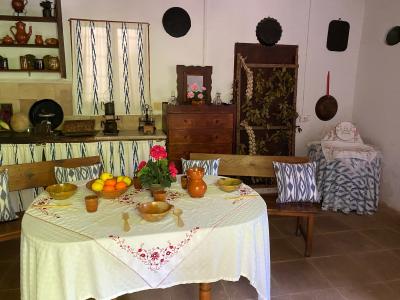
Bunyola
More Fotos