How did the religious practices in Mallorca change with the arrival of Christian rule?
Similar Topics
Mallorca history
Christian rule Mallorca
Islamic culture Mallorca
James I of Aragon
religious practices Mallorca
Mallorca architecture
Catholic faith Mallorca
local festivals Mallorca
cultural heritage Mallorca
Mallorca travel
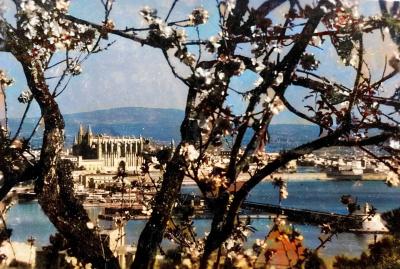
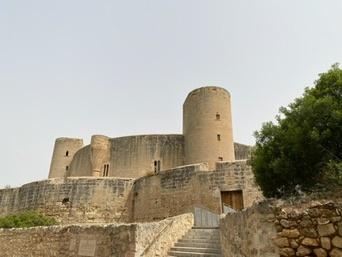
The arrival of Christian rule in Mallorca during the 13th century marked a significant transformation in the island's religious landscape. Before this period, Mallorca was predominantly influenced by Islamic culture, which had flourished under Arab rule for nearly 300 years. The conquest by James I of Aragon in 1229 initiated a gradual shift as churches were built on the ruins of mosques, symbolizing the transition from Islamic to Christian worship. This architectural transformation not only reflected the change in religious practices but also laid the foundation for a new cultural identity on the island.
As Christianity took hold, the local populace began to adopt new customs and traditions associated with the Catholic faith. Festivals, rituals, and communal gatherings shifted from Islamic observances to Christian celebrations, with the Virgin Mary becoming a central figure in local devotion. Over the centuries, these changes led to the establishment of various religious orders and an increase in the number of churches and monasteries, which became focal points for both spiritual life and community gatherings. The celebration of local saints also emerged, blending older traditions with new Christian beliefs, creating a unique cultural synthesis that is still evident in Mallorca's vibrant religious festivals today.
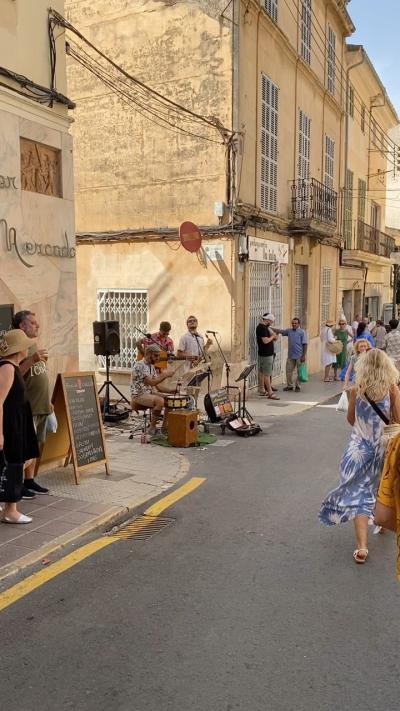
Despite this transition, remnants of the island's Islamic past can still be found in the local architecture, language, and even in some customs that have persisted through the centuries. The coexistence of these influences contributes to Mallorca's rich historical tapestry, making it a fascinating destination for travelers interested in exploring the intricate layers of its cultural and religious heritage. Visitors can witness this blend firsthand during local celebrations, where traditional music, food, and rituals showcase the island’s diverse past, offering a deeper understanding of how religion has shaped the Mallorcan way of life.
As Christianity took hold, the local populace began to adopt new customs and traditions associated with the Catholic faith. Festivals, rituals, and communal gatherings shifted from Islamic observances to Christian celebrations, with the Virgin Mary becoming a central figure in local devotion. Over the centuries, these changes led to the establishment of various religious orders and an increase in the number of churches and monasteries, which became focal points for both spiritual life and community gatherings. The celebration of local saints also emerged, blending older traditions with new Christian beliefs, creating a unique cultural synthesis that is still evident in Mallorca's vibrant religious festivals today.
Despite this transition, remnants of the island's Islamic past can still be found in the local architecture, language, and even in some customs that have persisted through the centuries. The coexistence of these influences contributes to Mallorca's rich historical tapestry, making it a fascinating destination for travelers interested in exploring the intricate layers of its cultural and religious heritage. Visitors can witness this blend firsthand during local celebrations, where traditional music, food, and rituals showcase the island’s diverse past, offering a deeper understanding of how religion has shaped the Mallorcan way of life.

More Fotos