What are the parking options like around Mallorca’s busiest towns and beaches?
Similar Topics
palma parking
alcudia parking
es trenc parking
tramuntana parking
ma-10 road
tib bus mallorca
soller railway
mallorca beach parking
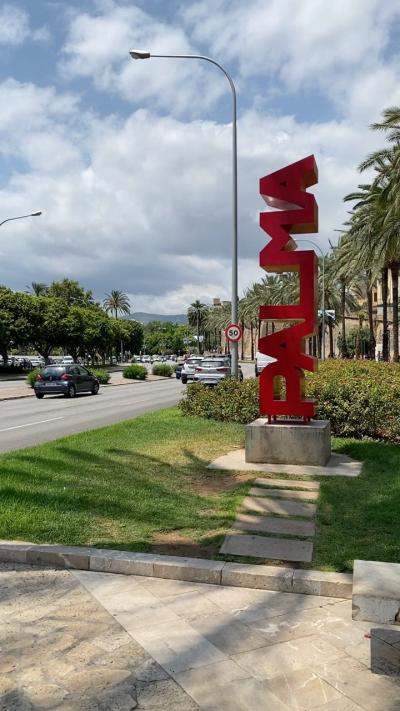
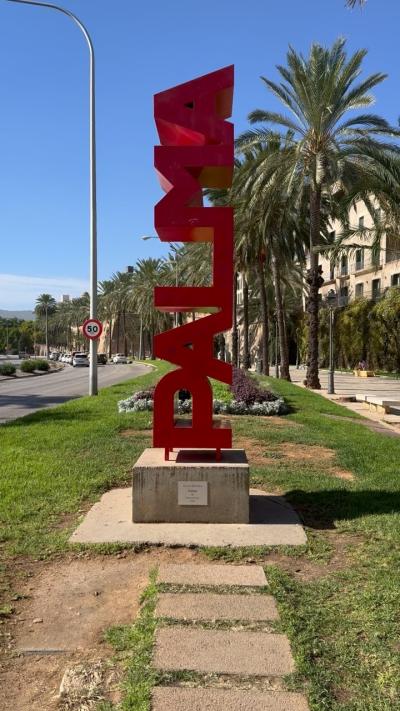
Parking near Palma’s historic center often means hunting for metered spots or relying on underground garages, especially during the peak summer months. The narrow streets can quickly fill up, so arriving early or considering public transport, like the Palma metro or TIB buses, can save time and frustration. On the island’s northeast coast, popular destinations such as Alcudia and Pollenca offer large paid parking lots near their medieval old towns, which are usually well signposted but can get crowded in high season.
Beaches like Es Trenc and Cala Mondrago have designated parking areas that fill rapidly on sunny days. Es Trenc, in particular, attracts many visitors for its pristine sands and requires a short walk from parking zones set back from the shore. Cala Llombards and Formentor also have limited parking close to the coves, so managing expectations is key if you want to avoid long waits or distant spots.
Exploring the Tramuntana mountains by car often involves navigating the Ma-10 road’s tight bends, where parking is more sporadic and geared towards walkers heading to villages like Valldemossa or Deia. In these small towns, public parking areas exist but space is at a premium during festivals such as Nit de Foc or Sant Sebastia. For a smoother experience, the Soller railway and local buses are excellent alternatives that remove the parking challenge entirely while adding a scenic touch to your outing.
Being aware of seasonal peaks, using official parking lots, and considering local transport options in Palma or along the Ma-13 route near the east coast will make your visit less stressful. With a bit of advance planning, you can enjoy the island’s renowned beaches, charming villages, and vibrant events without parking headaches.
Beaches like Es Trenc and Cala Mondrago have designated parking areas that fill rapidly on sunny days. Es Trenc, in particular, attracts many visitors for its pristine sands and requires a short walk from parking zones set back from the shore. Cala Llombards and Formentor also have limited parking close to the coves, so managing expectations is key if you want to avoid long waits or distant spots.
Exploring the Tramuntana mountains by car often involves navigating the Ma-10 road’s tight bends, where parking is more sporadic and geared towards walkers heading to villages like Valldemossa or Deia. In these small towns, public parking areas exist but space is at a premium during festivals such as Nit de Foc or Sant Sebastia. For a smoother experience, the Soller railway and local buses are excellent alternatives that remove the parking challenge entirely while adding a scenic touch to your outing.
Being aware of seasonal peaks, using official parking lots, and considering local transport options in Palma or along the Ma-13 route near the east coast will make your visit less stressful. With a bit of advance planning, you can enjoy the island’s renowned beaches, charming villages, and vibrant events without parking headaches.

More Fotos