How does the food in Palma differ from other regions of Mallorca?
Similar Topics
Palma food culture
Mallorca cuisine
ensaimada
Mercat de l'Olivar
Mediterranean flavors
tapas bars
rural Mallorca dishes
cultural melting pot
artisanal cheeses
gourmet products
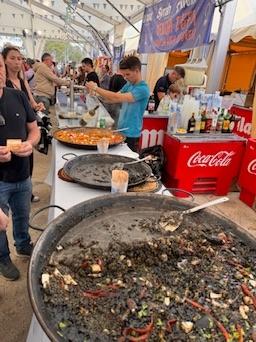
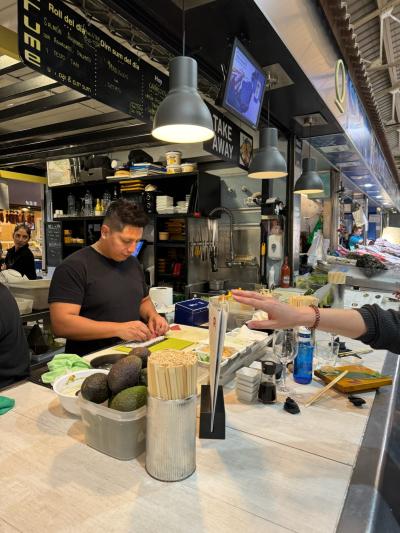
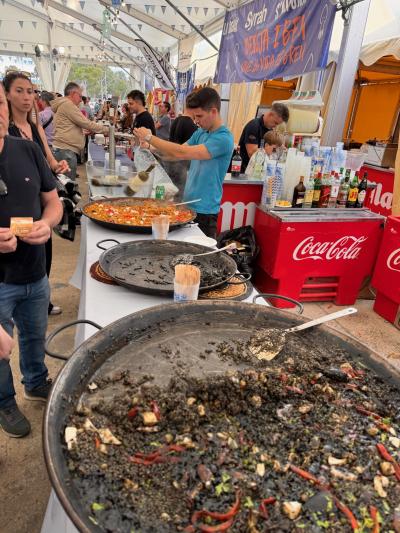
Palma, the vibrant capital of Mallorca, showcases a culinary scene that reflects its rich history and diverse influences, setting it apart from other regions of the island. The city's food culture is heavily influenced by its urban setting, where traditional Mediterranean flavors meld with international cuisines, thanks to its position as a cultural melting pot. In contrast to the more rural areas of Mallorca, which tend to focus on simple, rustic dishes made with local ingredients, Palma offers a more cosmopolitan dining experience that includes everything from high-end dining establishments to lively tapas bars. The use of fresh seafood, locally sourced vegetables, and aromatic herbs remains a common thread, but you'll also find an array of global flavors in Palma's bustling markets and eateries.
One of the standout dishes in Palma is the iconic "ensaimada," a sweet pastry that originated in the city and has become a symbol of Mallorcan cuisine. While you can find variations of ensaimada across the island, the ones in Palma often feature unique fillings like pumpkin or cream, showcasing local creativity. Additionally, Palma's vibrant food markets, such as Mercat de l'Olivar, offer an assortment of gourmet products that reflect both traditional Mallorcan fare and contemporary culinary trends. Here, you can sample everything from artisanal cheeses to exquisite cured meats, emphasizing the city's blend of heritage and modernity.
In more rural parts of Mallorca, the cuisine leans towards hearty, home-cooked meals that celebrate the island’s agricultural bounty. Dishes like "tumbet," a vegetable casserole, or "sobrasada," a spicy sausage, are staples that highlight the simplicity and robustness of rural cooking. These regions often prioritize seasonal ingredients and traditional recipes passed down through generations, resulting in a more straightforward yet deeply satisfying dining experience. In contrast, Palma's gastronomic offerings are characterized by innovation and fusion, making it an exciting destination for food lovers eager to explore both local and international flavors. This delicious divergence in culinary styles truly makes Palma a unique gastronomic hub on the island of Mallorca.
One of the standout dishes in Palma is the iconic "ensaimada," a sweet pastry that originated in the city and has become a symbol of Mallorcan cuisine. While you can find variations of ensaimada across the island, the ones in Palma often feature unique fillings like pumpkin or cream, showcasing local creativity. Additionally, Palma's vibrant food markets, such as Mercat de l'Olivar, offer an assortment of gourmet products that reflect both traditional Mallorcan fare and contemporary culinary trends. Here, you can sample everything from artisanal cheeses to exquisite cured meats, emphasizing the city's blend of heritage and modernity.
In more rural parts of Mallorca, the cuisine leans towards hearty, home-cooked meals that celebrate the island’s agricultural bounty. Dishes like "tumbet," a vegetable casserole, or "sobrasada," a spicy sausage, are staples that highlight the simplicity and robustness of rural cooking. These regions often prioritize seasonal ingredients and traditional recipes passed down through generations, resulting in a more straightforward yet deeply satisfying dining experience. In contrast, Palma's gastronomic offerings are characterized by innovation and fusion, making it an exciting destination for food lovers eager to explore both local and international flavors. This delicious divergence in culinary styles truly makes Palma a unique gastronomic hub on the island of Mallorca.
Alcanada
More Fotos