Are there any traditional Mallorcan stories tied to the wind rose symbol found in seaside towns?
Similar Topics
rosa dels vents
mallorca folklore
sea navigation
mallorca fishing traditions
tramuntana coast
port de sóller
palma artisans
sant sebastià festival
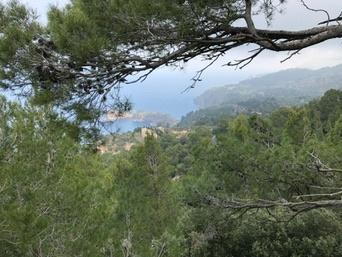
The wind rose, or "rosa dels vents," holds a special place in the coastal culture of towns like Port de Sóller and Port de Pollença. Traditionally, this compass-like motif was more than a decorative element—it was a talisman for seafarers navigating the sometimes unpredictable Mediterranean. Local fishermen believed that the rosa dels vents could protect them from sudden storms and guide their safe return, a sentiment passed down through generations who relied on the stars and winds along the Tramuntana coast.
One enduring tale speaks of a fisherman from Cala Figuera who, during a fierce northerly gale, was saved by following the guidance of a carved wind rose etched into his boat’s prow. This legend symbolizes the islanders’ deep respect for nature’s forces, blending practicality with a hint of mysticism. You can still see the rosa dels vents featured in artisan markets around Palma, where craftsmen incorporate it into ceramics and textiles, reminding visitors and locals alike of their maritime heritage.
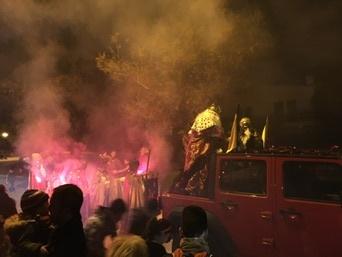
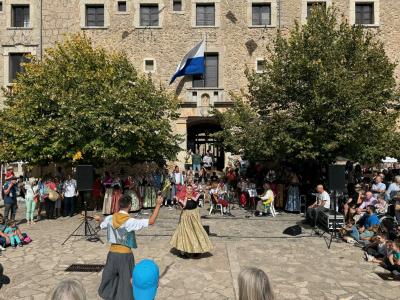
Exploring old quarters in towns like Alcúdia or wandering the harbors of Sóller, you quickly sense how intertwined these symbols are with everyday life. Annual festivities such as Sant Sebastià celebrate these traditions with folk tales and music echoing the spirit of the island’s connection to sea and wind. Whether it’s a painted compass rose on a wooden door or a delicate design on a local ensaïmada box, the rosa dels vents invites reflection on journeys—both literal and figurative—shaped by Mallorca’s unique landscape and history.
One enduring tale speaks of a fisherman from Cala Figuera who, during a fierce northerly gale, was saved by following the guidance of a carved wind rose etched into his boat’s prow. This legend symbolizes the islanders’ deep respect for nature’s forces, blending practicality with a hint of mysticism. You can still see the rosa dels vents featured in artisan markets around Palma, where craftsmen incorporate it into ceramics and textiles, reminding visitors and locals alike of their maritime heritage.
Exploring old quarters in towns like Alcúdia or wandering the harbors of Sóller, you quickly sense how intertwined these symbols are with everyday life. Annual festivities such as Sant Sebastià celebrate these traditions with folk tales and music echoing the spirit of the island’s connection to sea and wind. Whether it’s a painted compass rose on a wooden door or a delicate design on a local ensaïmada box, the rosa dels vents invites reflection on journeys—both literal and figurative—shaped by Mallorca’s unique landscape and history.

Valldemossa
More Fotos