What ancient ruins can I visit on Mallorca and what makes them special?
Similar Topics
ancient ruins
talayotic settlements
pol·lèntia roman city
son fornés
capocorb vell
alcúdia archaeology
prehistoric mallorca
tramuntana history
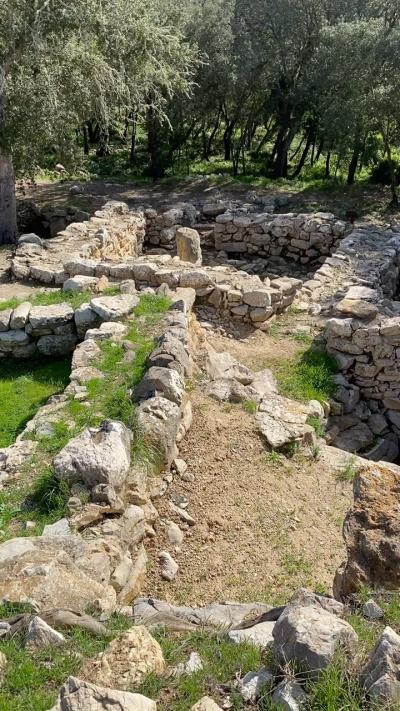
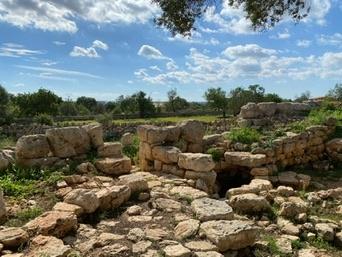
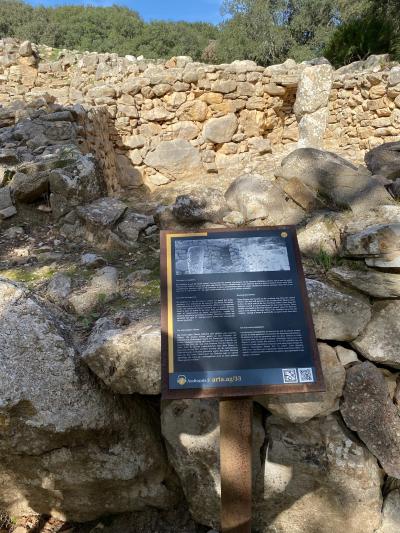
Ancient heritage quietly weaves through Mallorca’s landscape, often best experienced in the tranquil mornings before the crowds arrive. One of the island’s premier archaeological treasures is the talayotic settlement of Son Fornés near Muro, where prehistoric stone towers and dwellings reveal a snapshot of early island life. Walking among these circular stone structures, you get a rare glimpse of a unique Bronze Age culture that predates Roman influence. Over in Capocorb Vell, near Llucmajor, the sprawling layout of dry stone huts and defensive walls offers another view of prehistoric human organization, set against rolling countryside.
On the east coast, the Roman ruins at Pol·lèntia by Alcúdia stand out for their impressive scale and preservation. This ancient city served as a vital hub complete with forums, baths, and an amphitheater, all hinting at a bustling provincial center of the Roman Empire. The site’s proximity to the magnificent beaches at Formentor makes it easy to combine cultural exploration with a day by the sea. Guided tours here often bring to life the layered history from talayotic origins to Roman occupancy, enriching your understanding of the island’s deep past.
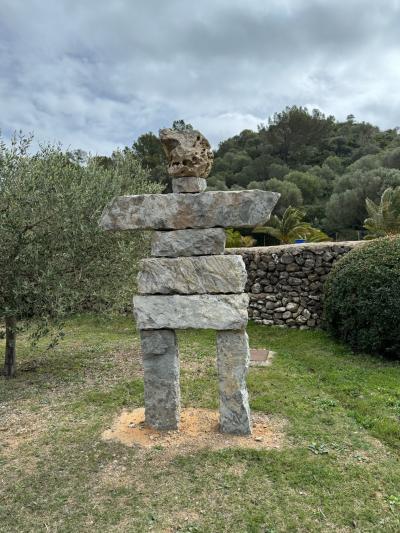
These ruins offer a contemplative escape amid olive groves and rugged hills, inviting visitors to reflect on centuries of continuous human presence. Whether exploring the Tramuntana hills around Valldemossa or strolling the ancient pathways near Manacor, the timeless atmosphere is palpable. Many local guides share captivating stories that connect the stones with legends and island traditions, making these sites much more than relics—they are living chapters in Mallorca’s story.
On the east coast, the Roman ruins at Pol·lèntia by Alcúdia stand out for their impressive scale and preservation. This ancient city served as a vital hub complete with forums, baths, and an amphitheater, all hinting at a bustling provincial center of the Roman Empire. The site’s proximity to the magnificent beaches at Formentor makes it easy to combine cultural exploration with a day by the sea. Guided tours here often bring to life the layered history from talayotic origins to Roman occupancy, enriching your understanding of the island’s deep past.
These ruins offer a contemplative escape amid olive groves and rugged hills, inviting visitors to reflect on centuries of continuous human presence. Whether exploring the Tramuntana hills around Valldemossa or strolling the ancient pathways near Manacor, the timeless atmosphere is palpable. Many local guides share captivating stories that connect the stones with legends and island traditions, making these sites much more than relics—they are living chapters in Mallorca’s story.

s'Horta
More Fotos