How has the architecture of Palma Cathedral influenced building styles across Mallorca?
Similar Topics
palma cathedral
la seu
mallorca architecture
gothic buildings
balearic design
stone carving
community spaces
historic landmark
Known locally as La Seu, Palma Cathedral stands as a majestic emblem of Gothic architecture with origins dating back to the 13th century. This cathedral’s soaring arches, intricate stone carvings, and distinctive rose window have left a lasting imprint on the island’s architectural landscape. Its grand scale and blend of Gothic and Renaissance elements set a benchmark that many churches and civic buildings across Mallorca have drawn from in their own designs.
The use of natural light inside the cathedral, enhanced by the large stained glass, has inspired architects to consider illumination as a central feature, visible in structures both in Palma and beyond. Local materials—such as the golden sandstone quarried nearby—seen in the cathedral’s facade have encouraged builders to embrace a palette that harmonizes with the island’s natural environment. Additionally, the emphasis on verticality and spacious interiors fostered a style that is echoed in parish churches scattered throughout towns like Sóller and Alcúdia.
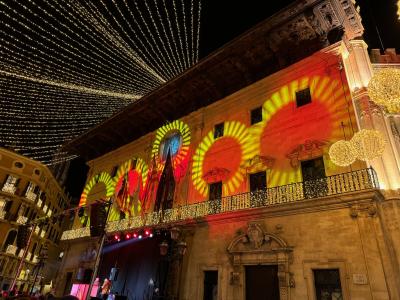
Beyond ecclesiastical sites, Palma Cathedral’s influence trickles into secular architecture around the island as well. Public spaces in historic quarters incorporate arched doorways and courtyards reminiscent of the cathedral’s cloisters, promoting community gathering with a touch of solemn grandeur. Events held near the cathedral, such as the vibrant celebrations during Sant Sebastià festival, find their backdrop enriched by this architectural heritage, blending tradition with the island’s evolving cultural identity.
Ultimately, La Seu continues to inspire architects and planners who seek to honor Mallorca’s storied past while innovating for the present, ensuring that the island’s built environment remains both timeless and alive with local character.
The use of natural light inside the cathedral, enhanced by the large stained glass, has inspired architects to consider illumination as a central feature, visible in structures both in Palma and beyond. Local materials—such as the golden sandstone quarried nearby—seen in the cathedral’s facade have encouraged builders to embrace a palette that harmonizes with the island’s natural environment. Additionally, the emphasis on verticality and spacious interiors fostered a style that is echoed in parish churches scattered throughout towns like Sóller and Alcúdia.
Beyond ecclesiastical sites, Palma Cathedral’s influence trickles into secular architecture around the island as well. Public spaces in historic quarters incorporate arched doorways and courtyards reminiscent of the cathedral’s cloisters, promoting community gathering with a touch of solemn grandeur. Events held near the cathedral, such as the vibrant celebrations during Sant Sebastià festival, find their backdrop enriched by this architectural heritage, blending tradition with the island’s evolving cultural identity.
Ultimately, La Seu continues to inspire architects and planners who seek to honor Mallorca’s storied past while innovating for the present, ensuring that the island’s built environment remains both timeless and alive with local character.

Palma
More Fotos


Related Questions
Related Question
How does the Es Baluard museum connect with Palma's local culture and community?
Related Question
What types of specialist treatments are most commonly offered at private clinics in Mallorca?
Related Question
Is there a standout viewpoint along the Serra de Tramuntana trails that’s a must-visit?