What local customs or etiquette should I know when visiting towns like Palma or Soller?
Similar Topics
local customs
mallorca etiquette
palma greetings
mallorca dining
tipping mallorca
dress code mallorca
photography etiquette
mallorca cultural norms
Visitors often expect the island’s locals to be formal or reserved, but the opposite is true: people here are notably warm and welcoming once you engage with them respectfully. A casual "bon dia" or "bona tarda" when entering shops, cafes, or markets in Palma or Pollenca immediately smooths interactions. Unlike the louder, more effusive salutations you might find elsewhere, a simple greeting and a smile go a long way in building friendliness.
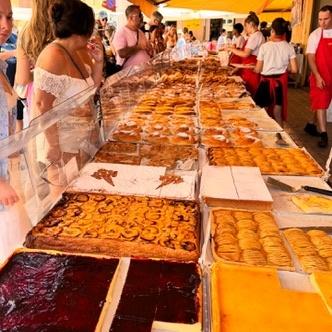
Sharing food plays an important role in local life, especially when sampling Mallorcan specialities like pa amb oli or tumbet. If you’re invited to a home, bringing a modest gift—perhaps a bottle of local Binissalem wine or some ensaimadas from a village bakery—is appreciated as a warm gesture. Tipping in restaurants is appreciated but not obligatory, usually rounded up or a small percentage. When dining, waiting until everyone is served before starting and using your bread to scoop up sauces rather than utensils shows attentiveness to local customs.
Dress tends to be relaxed, especially in beach towns like Cala Mondrago or Formentor, but modesty is expected when visiting religious sites such as Palma Cathedral or Valldemossa’s historic buildings. When photographing locals or events like Sant Sebastià in Palma or Festa de l’Ametler in the Tramuntana, asking permission is wise and always respectful. Finally, patience and politeness on the Ma-13 road or while using the TIB buses will earn goodwill, making your journeys across the island far more enjoyable.
Sharing food plays an important role in local life, especially when sampling Mallorcan specialities like pa amb oli or tumbet. If you’re invited to a home, bringing a modest gift—perhaps a bottle of local Binissalem wine or some ensaimadas from a village bakery—is appreciated as a warm gesture. Tipping in restaurants is appreciated but not obligatory, usually rounded up or a small percentage. When dining, waiting until everyone is served before starting and using your bread to scoop up sauces rather than utensils shows attentiveness to local customs.
Dress tends to be relaxed, especially in beach towns like Cala Mondrago or Formentor, but modesty is expected when visiting religious sites such as Palma Cathedral or Valldemossa’s historic buildings. When photographing locals or events like Sant Sebastià in Palma or Festa de l’Ametler in the Tramuntana, asking permission is wise and always respectful. Finally, patience and politeness on the Ma-13 road or while using the TIB buses will earn goodwill, making your journeys across the island far more enjoyable.
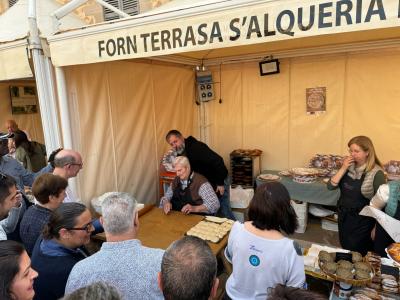
Santanyí
More Fotos



Related Questions
Related Question
Is the Palma seafront promenade suitable for strollers and visitors with mobility difficulties?
Related Question
Is it easy to get transportation from the airport in Mallorca to my hotel?
Related Question
Are there guided horseback riding tours on the island that explore Mallorca's scenic landscapes?