Can you tell me about the history of the Moorish influence in Mallorca?
Similar Topics
Moorish influence Mallorca
Mallorca history
Islamic architecture Mallorca
Palma old town
cultural heritage Mallorca
Mallorca agriculture
Iberian Peninsula Moors
Medina Mayurqa
Moorish legacy
Mallorca tourism
The Moorish influence in Mallorca is a fascinating chapter in the island’s rich history, dating back to the early 8th century when the Moors arrived on the Balearic Islands. Following the Muslim conquest of the Iberian Peninsula, Mallorca became part of the Islamic empire, which brought with it significant cultural, architectural, and agricultural advancements. The Moors ruled the island for over 200 years, during which time they established sophisticated irrigation systems, introduced new crops such as citrus fruits, almonds, and sugarcane, and cultivated the land in ways that transformed the agricultural landscape of Mallorca.
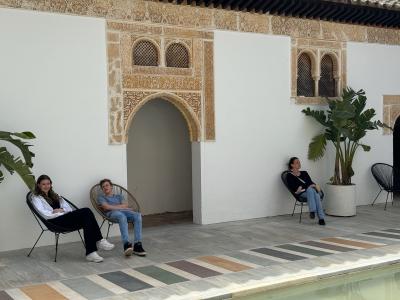
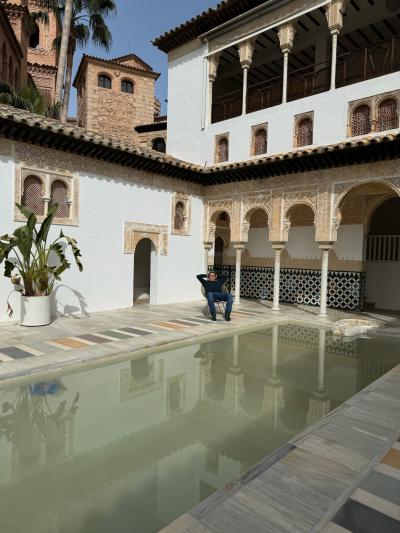
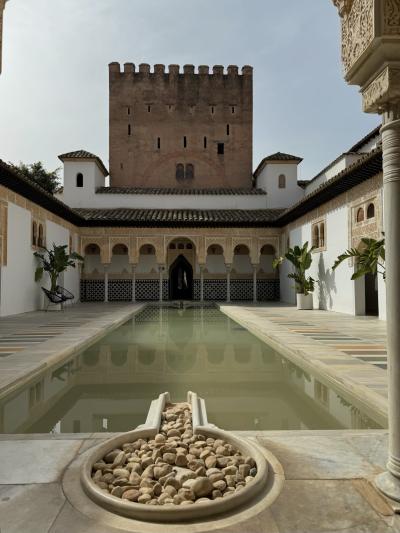
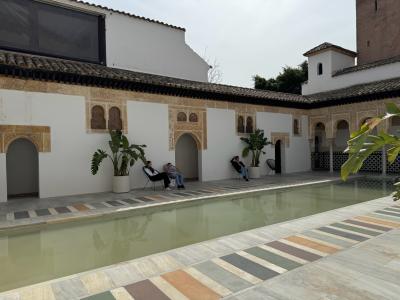
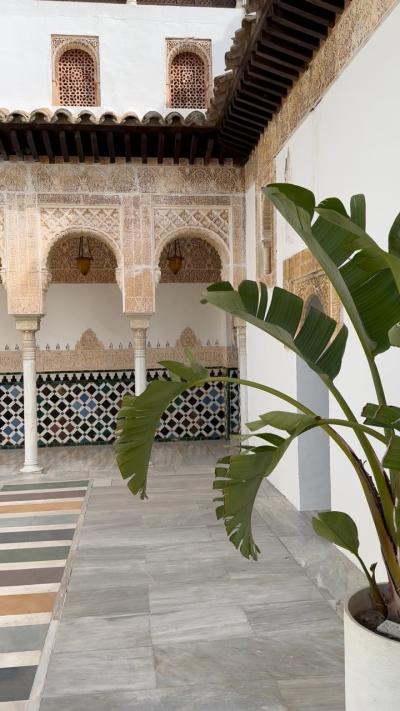
During their rule, the Moors left an indelible mark on the island's architecture as well. They constructed impressive fortifications, palaces, and mosques, many of which were built using local materials and techniques that blended Islamic and native styles. The capital, Medina Mayurqa, which is present-day Palma, became a vibrant cultural center under Moorish governance, complete with bustling markets and advanced urban planning. The remnants of this era can still be seen in the charming old town of Palma, where narrow winding streets and historic buildings reflect the Islamic aesthetic.
The Moorish presence in Mallorca came to an end in 1229 when King James I of Aragon led a successful campaign to reclaim the island for the Christians. Despite this change in leadership, the legacy of the Moors persisted in various forms, from the continued use of Arabic place names to the preservation of agricultural practices they introduced. The blending of cultures that occurred during this period has given Mallorca a unique identity, making it a captivating destination for those interested in history and cultural heritage. Visitors can explore this rich past through various historical sites, museums, and even the local cuisine, which still carries traces of Moorish influence today.
More Fotos