What unique natural formations can I see in Mallorca's caves?
- Cave formations
- Stalactites
- Stalagmites
- Flowstone
- Draperies
- Helictites
- Coves del drach
- Mallorca caves
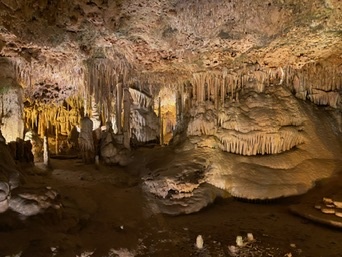
Many visitors imagine Mallorca's caves as simple hollow spaces, but they are in fact intricate underground galleries adorned with captivating mineral formations. For example, in the Coves del Drach near Porto Cristo, you’ll see spectacular stalactites hanging delicately from the ceilings and stalagmites rising majestically from the floors, sometimes joining to form imposing columns. These features have taken thousands of years to develop, creating a surreal subterranean landscape that often mesmerizes first-time explorers.
Beyond stalactites and stalagmites, flowstone is a common sight in caves like those at Artà, where mineral-rich water has sculpted smooth, rippling sheets resembling frozen waterfalls along the walls. Draperies, thin curving curtains of minerals, also add to the caves’ delicate beauty and often display subtle hues depending on the local mineral content. The play of dim light within these spaces accentuates textures and shadows, making the caves feel like otherworldly art galleries.
Some of the less common formations you might spot include helictites — spiraling, gravity-defying structures that seem to grow in random directions, offering a whimsical contrast to the more predictable shapes. While bioluminescent life is rare here, the natural acoustics and the striking formations combine to create an unforgettable sensory experience. Each cave on the island has its own geological story recorded in stone reflections of Mallorca’s deep natural history.