How is Jamón Ibérico traditionally made and cured?
Similar Topics
Jamón Ibérico
Spanish delicacy
Iberian pig
free-range pigs
nutty flavor
salting process
curing period
culinary tradition
artisanal techniques
Spanish cuisine
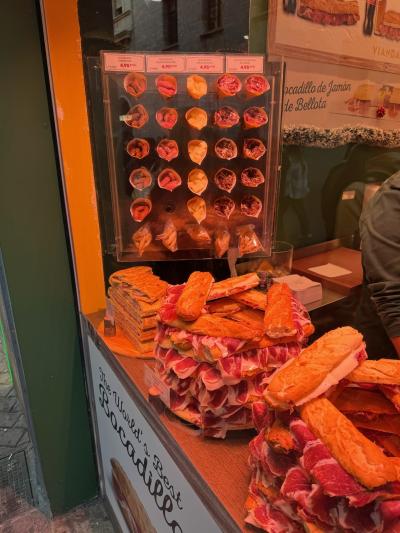
Jamón Ibérico is a celebrated Spanish delicacy, known for its rich flavor and unique texture, and its traditional production process is steeped in history and craftsmanship. The journey begins with the Iberian pig, a breed native to the Iberian Peninsula, which is often raised in free-range conditions. These pigs feed primarily on acorns during the montanera season in the autumn, which contributes to the ham's distinctive nutty flavor. The careful selection of the pigs, particularly those that are purebred, is crucial to achieving the highest quality of Jamón Ibérico.
Once the pigs are ready for processing, the hams are carefully salted to draw out moisture and enhance flavor. This salting process can last from several days to weeks, depending on the size of the ham. Afterward, the hams are washed and left to air dry in a cool, controlled environment, allowing for the natural fermentation processes to begin. The next phase involves a long curing period, which can last anywhere from 24 months to over 48 months, depending on the classification of the Jamón Ibérico. During this time, the ham develops its unique flavors and aromas through a combination of age, environmental conditions, and the natural enzymes in the meat.
The final product is a masterpiece of Spanish culinary tradition, and the enjoyment of Jamón Ibérico goes beyond its taste; it is often served thinly sliced and paired with a variety of accompaniments, such as olives, cheese, or even a glass of fine wine. The experience of tasting this delicacy provides a deeper appreciation of the artisanal techniques that have been passed down through generations, making each bite a celebration of heritage and craft. For visitors to Spain, indulging in Jamón Ibérico is not merely a culinary choice; it's an invitation to savor the culture and passion behind one of the country's most iconic foods.
Once the pigs are ready for processing, the hams are carefully salted to draw out moisture and enhance flavor. This salting process can last from several days to weeks, depending on the size of the ham. Afterward, the hams are washed and left to air dry in a cool, controlled environment, allowing for the natural fermentation processes to begin. The next phase involves a long curing period, which can last anywhere from 24 months to over 48 months, depending on the classification of the Jamón Ibérico. During this time, the ham develops its unique flavors and aromas through a combination of age, environmental conditions, and the natural enzymes in the meat.
The final product is a masterpiece of Spanish culinary tradition, and the enjoyment of Jamón Ibérico goes beyond its taste; it is often served thinly sliced and paired with a variety of accompaniments, such as olives, cheese, or even a glass of fine wine. The experience of tasting this delicacy provides a deeper appreciation of the artisanal techniques that have been passed down through generations, making each bite a celebration of heritage and craft. For visitors to Spain, indulging in Jamón Ibérico is not merely a culinary choice; it's an invitation to savor the culture and passion behind one of the country's most iconic foods.
Palma
More Fotos



Related Questions
Related Question
What other forms of public transportation are available in Palma de Mallorca?
Related Question
Are there any exhibitions or displays that highlight the history of Castell del Rei for visitors?
Related Question
How easy is it to find vegetarian options in traditional Mallorcan cuisine?