How do pine processionary caterpillars affect the natural environment in Mallorca?
Similar Topics
pine processionary caterpillars
serra de tramuntana
mallorca wildlife
native pine forests
ecosystem balance
bird food source
forest health
climate impact
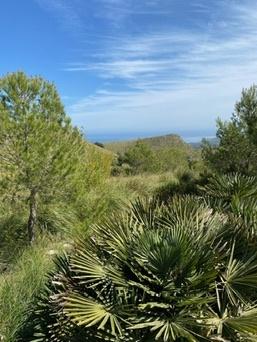
Many visitors think of these caterpillars solely as nuisances when hiking the Serra de Tramuntana, but their role in the island's ecosystems is far more complex. Pine processionary caterpillars primarily feed on the needles of Aleppo pines and other native conifers, which can temporarily defoliate trees, affecting their health. While this might sound harmful, it actually plays a part in the natural cycle, encouraging forest regeneration by preventing any one species from dominating the landscape.
Their distinctive processionary behavior—caterpillars moving head-to-tail in long lines—is crucial for their survival and also makes them highly visible to predators such as birds and bats that thrive here. These caterpillars provide a rich source of protein for wildlife, especially during spring when food can be scarce. Thus, they are an integral link in Mallorca's food web, supporting diverse animal populations.
At times, outbreaks can lead to noticeable damage in pine forests near towns like Sóller or Valldemossa, prompting ecological management to protect both people and pine woods. Moreover, their presence indicates environmental factors at work—rising temperatures and changes in habitat can influence their numbers. Observing them offers insight into the broader health of these mountain habitats, reinforcing how even small creatures contribute to the intricate balance of life on the island.
Their distinctive processionary behavior—caterpillars moving head-to-tail in long lines—is crucial for their survival and also makes them highly visible to predators such as birds and bats that thrive here. These caterpillars provide a rich source of protein for wildlife, especially during spring when food can be scarce. Thus, they are an integral link in Mallorca's food web, supporting diverse animal populations.
At times, outbreaks can lead to noticeable damage in pine forests near towns like Sóller or Valldemossa, prompting ecological management to protect both people and pine woods. Moreover, their presence indicates environmental factors at work—rising temperatures and changes in habitat can influence their numbers. Observing them offers insight into the broader health of these mountain habitats, reinforcing how even small creatures contribute to the intricate balance of life on the island.
More Fotos


Related Questions
Related Question
What do locals in Alcudia think about the tourists coming to their town?
Related Question
How many people can typically use a hotel's pool area at once in Palma or other Mallorca resorts?
Related Question
Can I buy tickets directly on Mallorca's public buses, or should I get them before boarding?