Are there seasonal wildlife migrations around Mallorca that visitors might witness?
Similar Topics
wildlife migration
serra de tramuntana
birdwatching mallorca
alcudia wetlands
migratory birds
formentor dolphins
mallorca nature
seasonal wildlife
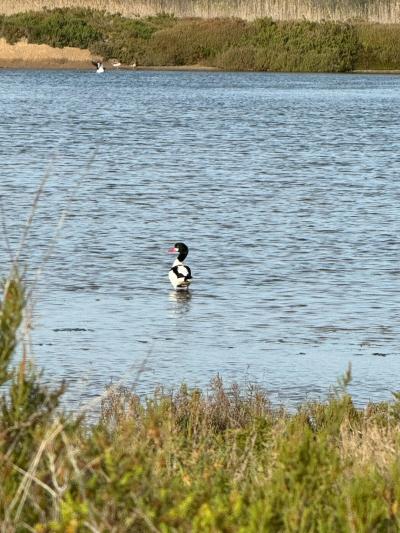
As spring unfolds across the Serra de Tramuntana, the island’s natural rhythms come to life with several seasonal movements of local wildlife. Birdwatchers traversing the coastal wetlands near Alcudia or the salt pans around Ses Salines can catch sight of migratory species passing through during their long journeys between northern Europe and Africa. These seasonal visitors include elegant flamingos and a variety of waders, whose presence adds a touch of spectacle to quiet salt flats and lagoons.
Along the Ma-10 road winding through the Tramuntana, especially near Valldemossa and Deià, one might spot the local endemic species adjusting their habitats as temperatures shift. In early spring, turtle doves and hoopoes are commonly seen arriving, filling the air with their distinctive calls. Meanwhile, the surrounding pine forests are home to migratory bats and butterflies that gradually take over from species hibernating through the mild winter.
Even the marine environment follows seasonal patterns. Off the coast near Formentor and Cala Mondragó, schools of fish move closer to shore during warmer months, attracting local dolphins and sea birds. Though the island doesn’t experience the great migrations seen on other continents, these subtle yet beautiful shifts in wildlife offer an added layer of interest for visitors paying attention to the natural world. Timing a visit to coincide with such seasonal rhythms reveals how the island’s landscapes are connected to broader ecological cycles.
Along the Ma-10 road winding through the Tramuntana, especially near Valldemossa and Deià, one might spot the local endemic species adjusting their habitats as temperatures shift. In early spring, turtle doves and hoopoes are commonly seen arriving, filling the air with their distinctive calls. Meanwhile, the surrounding pine forests are home to migratory bats and butterflies that gradually take over from species hibernating through the mild winter.
Even the marine environment follows seasonal patterns. Off the coast near Formentor and Cala Mondragó, schools of fish move closer to shore during warmer months, attracting local dolphins and sea birds. Though the island doesn’t experience the great migrations seen on other continents, these subtle yet beautiful shifts in wildlife offer an added layer of interest for visitors paying attention to the natural world. Timing a visit to coincide with such seasonal rhythms reveals how the island’s landscapes are connected to broader ecological cycles.
ses Covetes
More Fotos