How did the Christian reconquest affect the layout and architecture of towns in Mallorca?
Similar Topics
mallorca history
urban layout
palma cathedral
serra de tramuntana
alcudia town
soller railway
mooorish architecture
balearic reconquest
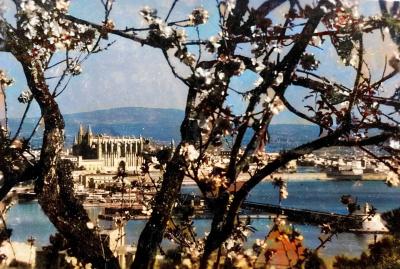
In towns like Palma and Alcudia, subtle details reveal how the Christian reconquest reshaped urban life. After the island was retaken from Moorish control in the 13th century, religious buildings quickly became landmarks, often built over former mosques, anchoring new civic and social centers. In Palma’s old town, for example, the imposing Cathedral of Santa Maria, known locally as La Seu, shifted the city's focal point, reflecting the new spiritual and political order.
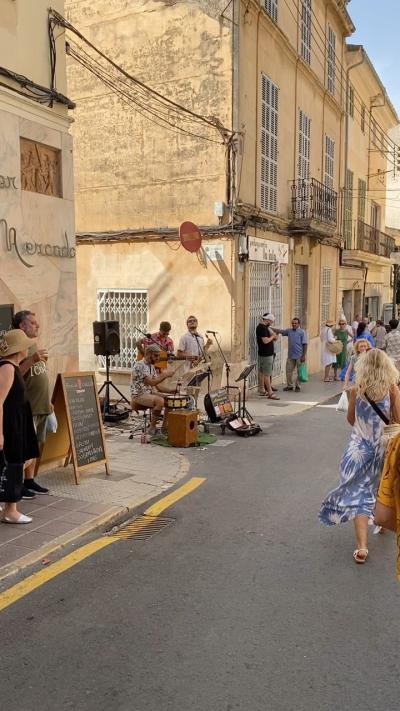
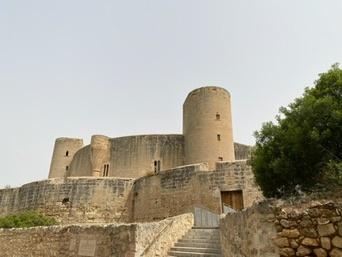
Street patterns in many villages, especially in Valldemossa and Pollenca, still preserve the narrow, winding lanes characteristic of Moorish urbanism, but the addition of Gothic churches and fortified walls reinforced Christian dominance and defense priorities. Architecturally, this era witnessed a blend of styles: Christian builders incorporated intricate tile work and mosque-like arches into churches and civic structures, echoing Islamic artistry even as the island’s culture evolved.
The Ma-13 road threading through the Serra de Tramuntana connects such towns, allowing visitors to trace these historical influences firsthand. Markets and public squares, such as Palma’s Plaça Major, grew in importance, serving as hubs for trade and community life—an evolution from the defensive towns of earlier times. Exploring on foot or via the historic Soller railway, it’s evident how the reconquest altered not only buildings but also social rhythms, blending heritage and renewal across the island’s urban environments.
Street patterns in many villages, especially in Valldemossa and Pollenca, still preserve the narrow, winding lanes characteristic of Moorish urbanism, but the addition of Gothic churches and fortified walls reinforced Christian dominance and defense priorities. Architecturally, this era witnessed a blend of styles: Christian builders incorporated intricate tile work and mosque-like arches into churches and civic structures, echoing Islamic artistry even as the island’s culture evolved.
The Ma-13 road threading through the Serra de Tramuntana connects such towns, allowing visitors to trace these historical influences firsthand. Markets and public squares, such as Palma’s Plaça Major, grew in importance, serving as hubs for trade and community life—an evolution from the defensive towns of earlier times. Exploring on foot or via the historic Soller railway, it’s evident how the reconquest altered not only buildings but also social rhythms, blending heritage and renewal across the island’s urban environments.

More Fotos