Which historic buildings in Mallorca best illustrate the island's distinctive architectural heritage?
Similar Topics
historic buildings
mallorca architecture
palma cathedral
almudaina palace
tramuntana houses
bellver castle
alcúdia medieval
pollença heritage
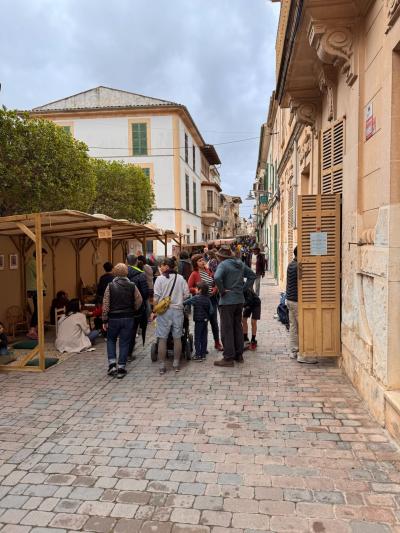
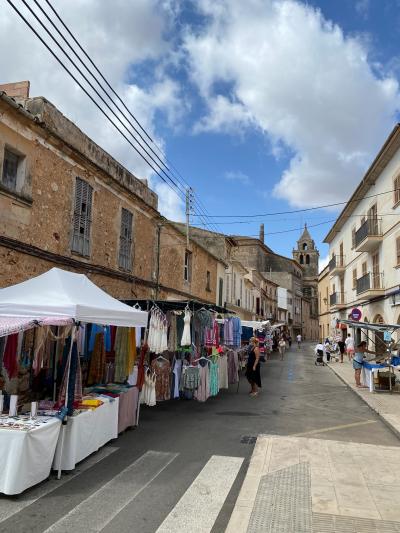
Exploring Palma's Old Town reveals a wealth of historic buildings displaying Mallorca's architectural evolution. The Palma Cathedral, or La Seu, is a stunning example of Catalan Gothic design, with its soaring vaults and intricate rose window. Nearby, the Almudaina Palace blends Moorish and Gothic influences as a former royal residence. Wandering through towns like Valldemossa and Deià, stone-built houses with traditional wooden shutters and terracotta roofs offer a glimpse into rural Mallorcan vernacular architecture, closely tied to the rugged Tramuntana landscape.
In the north, Pollença's Calvari steps and Can Llobera house demonstrate 17th and 18th-century styles, while Alcúdia preserves its medieval walls, giving a palpable sense of its historic trading importance. Manor houses and fincas scattered along the Ma-13 route reflect the island’s agricultural past with simple, functional design materials like local stone and lime plaster. Religious heritage sites, such as the hilltop Santuario de Lluc, combine Gothic and Baroque touches, symbolizing Mallorca’s spiritual history.
The island's fortified structures, including the 16th-century Bellver Castle with its unique circular plan near Palma, and coastal watchtowers along the Ma-15 road, recall Mallorca’s strategic position in the Mediterranean. Together, these buildings weave a narrative of blended cultural influences—from Moorish to Catalan—that remain integral to the island’s identity today. Whether viewed from a small village plaza or the shores of Cala Mondragó, the architecture invites visitors to engage with Mallorca’s layered past in a tangible way.
In the north, Pollença's Calvari steps and Can Llobera house demonstrate 17th and 18th-century styles, while Alcúdia preserves its medieval walls, giving a palpable sense of its historic trading importance. Manor houses and fincas scattered along the Ma-13 route reflect the island’s agricultural past with simple, functional design materials like local stone and lime plaster. Religious heritage sites, such as the hilltop Santuario de Lluc, combine Gothic and Baroque touches, symbolizing Mallorca’s spiritual history.
The island's fortified structures, including the 16th-century Bellver Castle with its unique circular plan near Palma, and coastal watchtowers along the Ma-15 road, recall Mallorca’s strategic position in the Mediterranean. Together, these buildings weave a narrative of blended cultural influences—from Moorish to Catalan—that remain integral to the island’s identity today. Whether viewed from a small village plaza or the shores of Cala Mondragó, the architecture invites visitors to engage with Mallorca’s layered past in a tangible way.

More Fotos