How has the town of Sóller changed throughout its history, and what key events shaped its development?
Similar Topics
sóller history
tramuntana valley
sóller railway
pa amb oli
sobrassada
festa de l'ametler
binissalem wine
deia art scene
Nestled in a fertile valley beneath the Tramuntana mountains, Sóller has experienced a transformation that reflects both its agricultural roots and its role as a nexus for trade and tourism. Originally a quiet farming village relying on olives, oranges, and almond orchards, it gained prominence in the 19th century when the narrow-gauge railway connected it to Palma, fostering commerce and easier access for visitors. This connection helped launch Sóller as a popular retreat for artists and writers attracted by its unique light and landscape, notably in the nearby village of Deià.
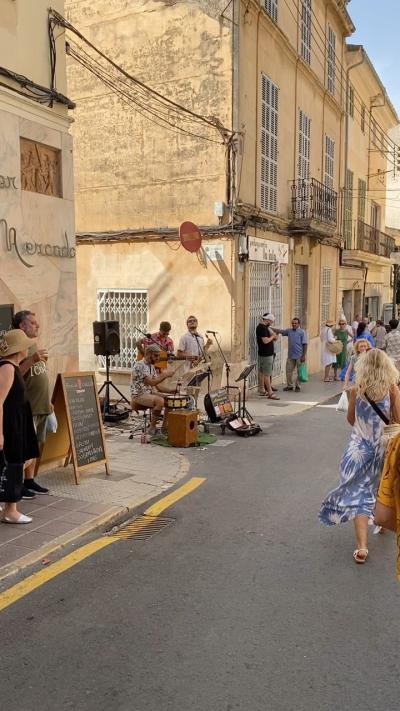
Over time, Sóller balanced preserving its traditional lifestyle with welcoming new developments. The modernist architecture visible in the town’s buildings marks the era when prosperity from citrus exports was at its peak. Artisanal shops and local markets continued to thrive, offering specialties such as sobrassada, pa amb oli, and pastries like ensaimada. The introduction of the TIB bus lines and improvements to the Ma-11 road increased accessibility, integrating Sóller more closely with the island’s tourist circuit.
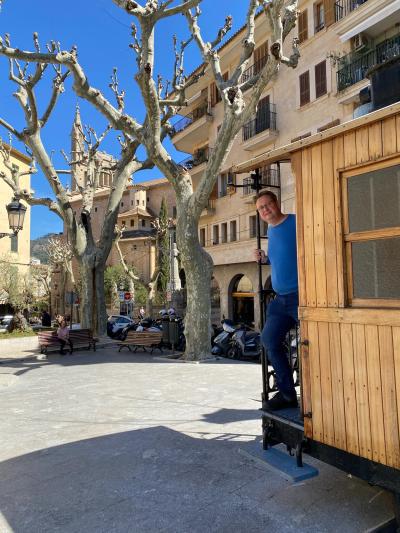
In recent decades, there has been a deliberate focus on sustainable tourism and cultural preservation. Annual events like the Festa de l'Ametler celebrate the blossoming of almond trees, harking back to the area’s agricultural heritage, while the tram to Port de Sóller brings leisure seekers to scenic coastal coves. Despite the influx of visitors, the community remains committed to maintaining its authentic charm, making Sóller a living example of an island town that adapts while deeply honoring its history.
Over time, Sóller balanced preserving its traditional lifestyle with welcoming new developments. The modernist architecture visible in the town’s buildings marks the era when prosperity from citrus exports was at its peak. Artisanal shops and local markets continued to thrive, offering specialties such as sobrassada, pa amb oli, and pastries like ensaimada. The introduction of the TIB bus lines and improvements to the Ma-11 road increased accessibility, integrating Sóller more closely with the island’s tourist circuit.
In recent decades, there has been a deliberate focus on sustainable tourism and cultural preservation. Annual events like the Festa de l'Ametler celebrate the blossoming of almond trees, harking back to the area’s agricultural heritage, while the tram to Port de Sóller brings leisure seekers to scenic coastal coves. Despite the influx of visitors, the community remains committed to maintaining its authentic charm, making Sóller a living example of an island town that adapts while deeply honoring its history.
Sóller
More Fotos