What unique plants and wildlife can I expect to see around Soller and the Serra de Tramuntana?
Similar Topics
serrat tramuntana
soller wildlife
balearic warbler
lilford's wall lizard
olive trees
ma-10 road
balearic orchids
mediterranean flora
Nature around Soller and the rugged slopes of the Serra de Tramuntana is delightfully varied, influenced by the island’s Mediterranean climate and diverse terrain. In spring, pine forests and terraced hillsides burst with Mediterranean flora such as fragrant rosemary, wild thyme, and the striking Balearic oak. Orchids also punctuate these landscapes, especially in quieter valleys and higher altitudes, adding a subtle splash of colour. The millennial olive trees and carob groves are emblematic of this ancient agricultural land, standing sentinel over terraced fields.
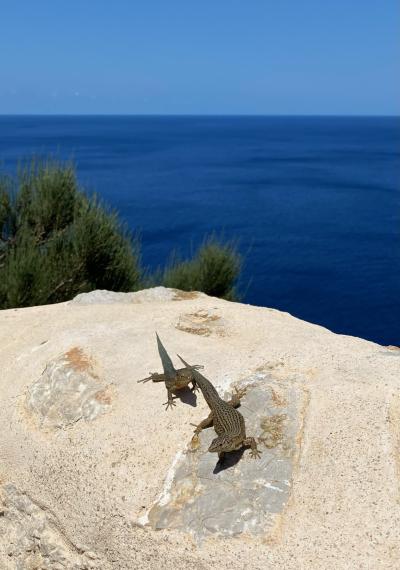
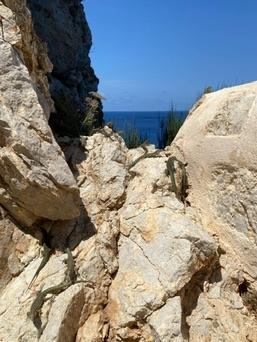
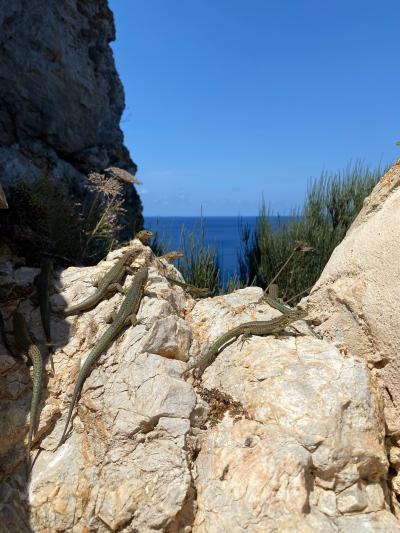
Wildlife spotting here is a rewarding pursuit. Birdwatchers often delight at glimpses of the endemic Balearic warbler flitting among the maquis or the occasional Bonelli’s eagle soaring overhead. The island’s endemic lizard species, such as the Lilford’s wall lizard, can be seen sunning themselves on warm rocks. In the more remote parts of the Tramuntana and near coastal coves like Cala Deià, you might also encounter rabbits and hedgehogs. Despite being a cultivated landscape, the blend of forests, scrub, and cultivated land creates a rich habitat that supports an array of smaller mammals, butterflies, and insects.
Exploring this region is a chance to enjoy nature framed by the traditional stone farmhouses and ancient dry-stone walls that line the Ma-10 road, a route that ties the coast with villages perched mountainside. This natural and cultural interplay defines a landscape that remains both wild and inviting—which helps explain why so many visitors fall for its quiet charms beyond Soller’s bustling market and historic railway station.
Wildlife spotting here is a rewarding pursuit. Birdwatchers often delight at glimpses of the endemic Balearic warbler flitting among the maquis or the occasional Bonelli’s eagle soaring overhead. The island’s endemic lizard species, such as the Lilford’s wall lizard, can be seen sunning themselves on warm rocks. In the more remote parts of the Tramuntana and near coastal coves like Cala Deià, you might also encounter rabbits and hedgehogs. Despite being a cultivated landscape, the blend of forests, scrub, and cultivated land creates a rich habitat that supports an array of smaller mammals, butterflies, and insects.
Exploring this region is a chance to enjoy nature framed by the traditional stone farmhouses and ancient dry-stone walls that line the Ma-10 road, a route that ties the coast with villages perched mountainside. This natural and cultural interplay defines a landscape that remains both wild and inviting—which helps explain why so many visitors fall for its quiet charms beyond Soller’s bustling market and historic railway station.
Sant Elm
More Fotos