What kinds of exhibits are featured in museums around Palma and the Tramuntana?
Similar Topics
palma museums
tramuntana exhibits
valldemossa art
soller galleries
balearic culture
mallorca history
nit de foc
local art
The scent of pine wood and sea salt lingers as you step inside Palma’s museums, where rich narratives unfold through carefully curated exhibits. Permanent collections often delve into the island’s layered history, from its Roman and Moorish influences to the cultural blossoming in the old town. Artefacts like traditional sobrassada sausage-making tools, ancient fishing gear, and displays on the Balearic Islands’ agricultural heritage bring the island’s past vividly alive. In towns like Valldemossa and Soller, smaller galleries frequently showcase the work of local artists inspired by the Serra de Tramuntana’s dramatic landscapes and the azure coastline.
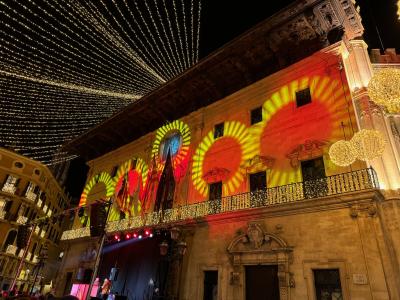
Rotating exhibitions offer fresh insights, often highlighting contemporary themes or regional craftsmanship such as ceramics from Manacor or the evolution of Pa amb Oli through the centuries. Museums along the Ma-13 corridor sometimes incorporate multimedia presentations that immerse visitors in Mallorca’s festivals, including the fiery nostalgia of Nit de Foc in Palma or the blossoming almond trees celebrated in the Festa de l’Ametler. This blend of timeless tradition and modern interpretation invites visitors to engage with the island’s identity in new and interactive ways.
For those interested in maritime history or natural sciences, museums on the north coast, near Pollenca and Port de Pollenca, include detailed displays on local ecology and the historical significance of Formentor’s lighthouse. Whether you find yourself wandering an old convent in Alcudia or a refurbished farmhouse near Deia, the exhibits throughout the region balance educational storytelling with moments of artistic inspiration, ensuring a deeper connection to the island’s vibrant heritage.
Rotating exhibitions offer fresh insights, often highlighting contemporary themes or regional craftsmanship such as ceramics from Manacor or the evolution of Pa amb Oli through the centuries. Museums along the Ma-13 corridor sometimes incorporate multimedia presentations that immerse visitors in Mallorca’s festivals, including the fiery nostalgia of Nit de Foc in Palma or the blossoming almond trees celebrated in the Festa de l’Ametler. This blend of timeless tradition and modern interpretation invites visitors to engage with the island’s identity in new and interactive ways.
For those interested in maritime history or natural sciences, museums on the north coast, near Pollenca and Port de Pollenca, include detailed displays on local ecology and the historical significance of Formentor’s lighthouse. Whether you find yourself wandering an old convent in Alcudia or a refurbished farmhouse near Deia, the exhibits throughout the region balance educational storytelling with moments of artistic inspiration, ensuring a deeper connection to the island’s vibrant heritage.
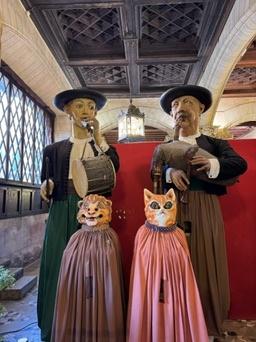
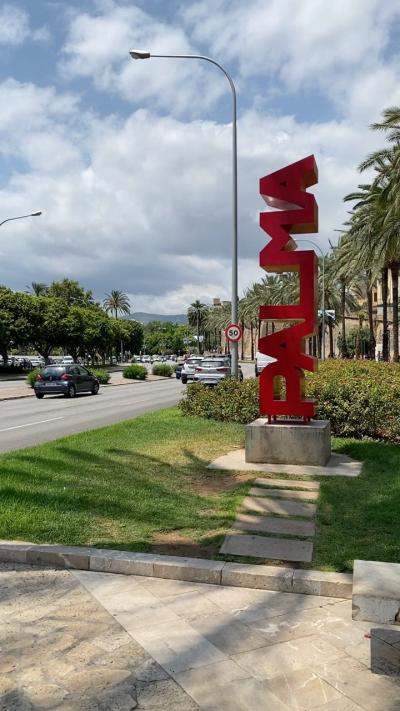
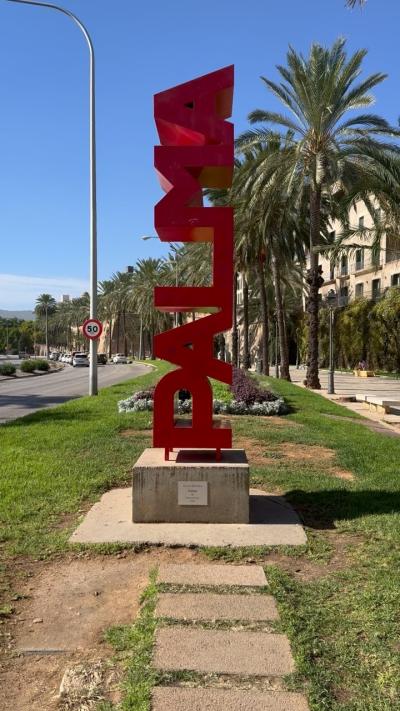
Palma
More Fotos

Related Questions
Related Question
Where are the best places to take underwater photos while snorkeling around Mallorca?
Related Question
Which well-known artists or bands are scheduled to perform at this year’s Nit de Foc festival in Palma?
Related Question
Are there food tours or cooking experiences available on the island?