How do the flavors of Mallorcan olive oil compare to those from other regions?
Similar Topics
Mallorcan olive oil
olive oil flavors
Mediterranean cuisine
Arbequina olives
Picual olives
Mallorquina olives
culinary experience
local traditions
olive oil tasting
Mallorca gastronomy
Mallorcan olive oil boasts a distinct flavor profile that sets it apart from oils produced in other regions. The island's unique climate, characterized by hot summers and mild winters, combined with its diverse soil types, contributes to the rich and varied tastes found in its oils. The predominant olive varietals, such as Arbequina, Picual, and Mallorquina, offer a delightful balance of fruity, nutty, and herbaceous notes. You'll often find that Mallorcan olive oils have a smooth, buttery texture with a hint of sweetness, accompanied by a subtle peppery finish that can vary in intensity depending on the harvest and processing methods.
In contrast, olive oils from regions like Tuscany or Andalusia may present bolder, more robust flavors. Tuscan oils, for example, are renowned for their strength and complexity, often featuring a pronounced grassy or artichoke-like bitterness. Andalusian oils tend to be more fruit-forward, with a ripe, ripe taste that emphasizes the sweetness of the olives. While each region's oil carries its own unique characteristics influenced by local traditions and climate, Mallorcan olive oil stands out for its delicate balance and versatility, making it a delightful addition to a variety of dishes.
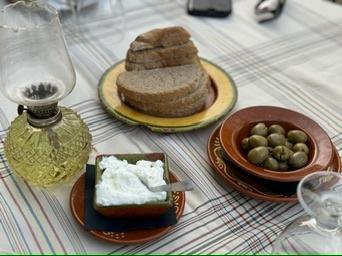
Whether drizzled over fresh bread, used to enhance salads, or incorporated into traditional Mallorcan dishes like tumbet, the olive oil from this Mediterranean island is an essential part of the local culinary experience. Tasting the oil directly from the producers, often at family-run estates or during local festivals, allows visitors to appreciate the nuances of flavor and the passion that goes into each bottle. This connection to the land and its heritage adds a layer of richness to the experience, making Mallorcan olive oil not just a condiment, but a true reflection of the island's culture and gastronomy.
In contrast, olive oils from regions like Tuscany or Andalusia may present bolder, more robust flavors. Tuscan oils, for example, are renowned for their strength and complexity, often featuring a pronounced grassy or artichoke-like bitterness. Andalusian oils tend to be more fruit-forward, with a ripe, ripe taste that emphasizes the sweetness of the olives. While each region's oil carries its own unique characteristics influenced by local traditions and climate, Mallorcan olive oil stands out for its delicate balance and versatility, making it a delightful addition to a variety of dishes.
Whether drizzled over fresh bread, used to enhance salads, or incorporated into traditional Mallorcan dishes like tumbet, the olive oil from this Mediterranean island is an essential part of the local culinary experience. Tasting the oil directly from the producers, often at family-run estates or during local festivals, allows visitors to appreciate the nuances of flavor and the passion that goes into each bottle. This connection to the land and its heritage adds a layer of richness to the experience, making Mallorcan olive oil not just a condiment, but a true reflection of the island's culture and gastronomy.

Caimari
More Fotos