What should I know about hiking safely on Mallorca's mountain and coastal trails?
- Mallorca hiking
- Serra de tramuntana
- Trail safety
- Soller railway
- Es trenc beach
- Local food mallorca
- Binissalem wine
- Guided hikes
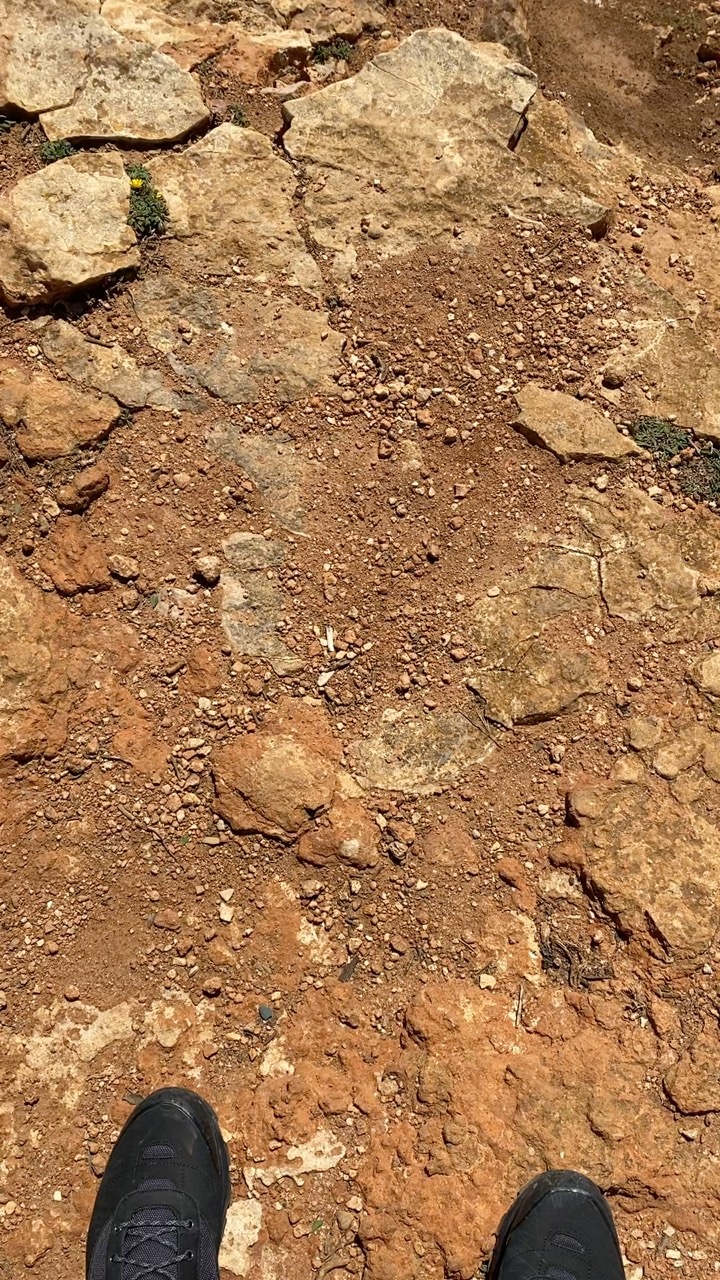
Recent improvements in signage and trail maintenance around the Serra de Tramuntana have made it easier to explore the island's impressive hiking routes safely. Still, preparation is key, especially on popular paths like the route from Valldemossa to Deia or the climb up to Puig de Massanella. Make sure to study the trail map in advance and pick a trail suitable for your fitness level; some paths can be steep or rugged. It’s also advisable to inform someone in Palma or your accommodation about your plans and expected return time before heading out.
The island’s weather, especially in spring and autumn, can change quickly, so dressing in layers is recommended. Carry plenty of water, local snacks such as ensaimada or sobrassada for energy, and pack a first-aid kit. Mobile reception is generally good in towns like Sóller and along main routes like Ma-10 or Ma-13, but signal may falter on remote stretches near cala mondragó or Formentor. Always stay on marked trails to protect Mallorca’s fragile ecosystems and avoid hazards like loose rocks or slippery shores near hidden coves.
It is often safer and more rewarding to hike in company, whether with friends or on one of the guided walks offered around the island, such as cultural tours linking Pollenca and Alcudia. These provide insight into the local environment, history, and traditional foods like tumbet and local wines from Binissalem. Paying attention to trail etiquette, like yielding the path uphill and keeping noise to a minimum, helps preserve the tranquility of the surroundings. Following these precautions will help you enjoy Mallorca’s diverse landscapes with peace of mind and respect for its natural beauty.