What styles of architecture are most prominent in Palma?
Similar Topics
Palma architecture
Gothic architecture Palma
La Seu Cathedral
Modernisme architecture
Moorish influence Palma
Palma Old Town
Joan Rubió
Antoni Gaudí
Palma travel
Mallorca cultural heritage
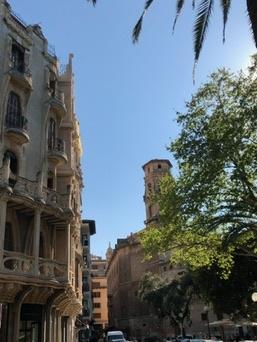
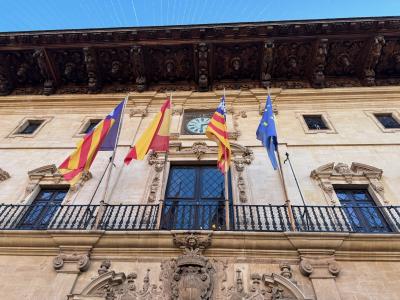
Palma, the vibrant capital of Mallorca, boasts a rich tapestry of architectural styles that reflect its diverse history and cultural influences. One of the most prominent styles is Gothic architecture, epitomized by the magnificent La Seu Cathedral, which towers over the city’s skyline. This stunning structure, with its intricate facades and soaring spires, is a testament to the craftsmanship of the 14th century and serves as a focal point for both locals and visitors. The narrow, winding streets of the Old Town are dotted with other Gothic buildings, including the impressive Palau de l'Almudaina, which blends both Islamic and Christian elements, showcasing the island's historical transitions.
As you stroll through Palma, you will also encounter a wealth of Modernisme architecture, reminiscent of Catalonia's own architectural movement. This style is characterized by vibrant colors and whimsical designs, prominently displayed in the works of architects like Joan Rubió and the famous Antoni Gaudí. The Gran Hotel and the Can Forteza Rey are prime examples, featuring ornate ironwork and decorative tiles that capture the spirit of the early 20th century.
In addition to these styles, the influence of Moorish architecture is palpable in Palma, particularly in the design of courtyards and gardens. The decorative tiles, arched doorways, and lush greenery found in places like the Jardines de S'Hort del Rei reflect the island’s Islamic past and add a serene atmosphere to the city. This blend of Gothic, Modernisme, and Moorish influences creates a unique architectural landscape that tells the story of Palma’s evolution over centuries, making it a delightful destination for architecture enthusiasts and casual travelers alike.
As you stroll through Palma, you will also encounter a wealth of Modernisme architecture, reminiscent of Catalonia's own architectural movement. This style is characterized by vibrant colors and whimsical designs, prominently displayed in the works of architects like Joan Rubió and the famous Antoni Gaudí. The Gran Hotel and the Can Forteza Rey are prime examples, featuring ornate ironwork and decorative tiles that capture the spirit of the early 20th century.
In addition to these styles, the influence of Moorish architecture is palpable in Palma, particularly in the design of courtyards and gardens. The decorative tiles, arched doorways, and lush greenery found in places like the Jardines de S'Hort del Rei reflect the island’s Islamic past and add a serene atmosphere to the city. This blend of Gothic, Modernisme, and Moorish influences creates a unique architectural landscape that tells the story of Palma’s evolution over centuries, making it a delightful destination for architecture enthusiasts and casual travelers alike.
Palma
More Fotos