What kinds of wildlife and plants can I encounter while exploring caves near the Serra de Tramuntana?
Similar Topics
serra de tramuntana
tramuntana caves
balearic wildlife
mallorca herbs
bat caves mallorca
endemic plants
birdwatching mallorca
ferns and lichens
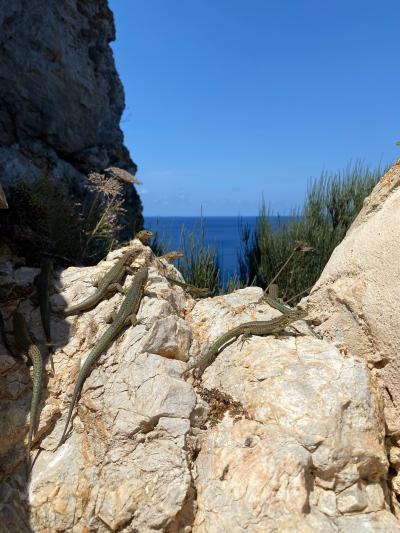
The limestone caves carved into the Serra de Tramuntana have nurtured unique plant and animal communities that reveal the island’s rugged natural heritage. In shaded, humid recesses of caves near towns like Sóller or Valldemossa, expect to spot endemic lizards basking near cave mouths and hear the flutter of bats that use these dark spaces as safe roosts. Bird species such as peregrine falcons can sometimes be seen nesting on cliff ledges nearby, while smaller songbirds like the Balearic warbler flit through the surrounding shrubs.
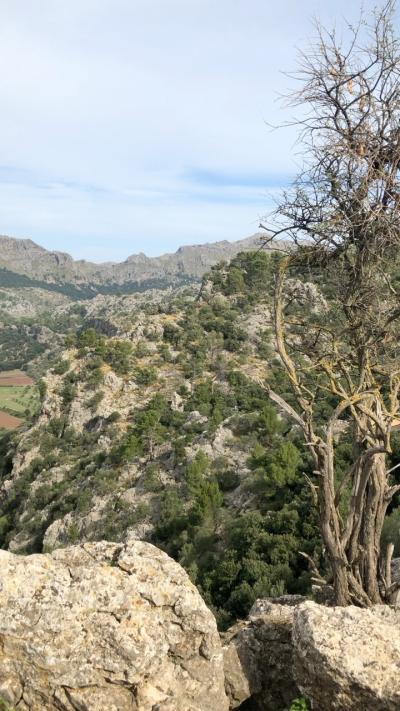
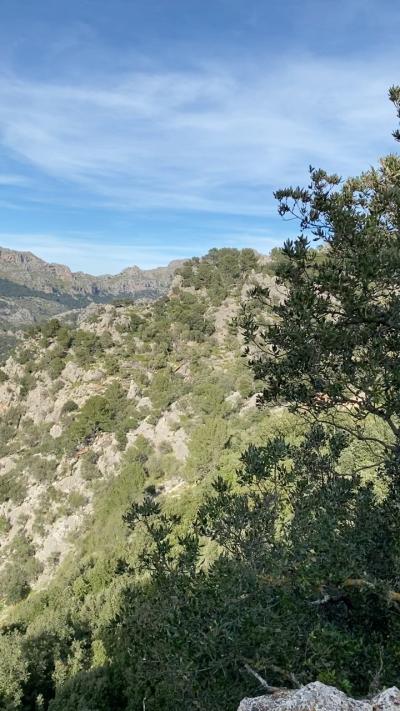
Vegetation around these caves tends to be hardy and drought-resistant, thriving on rocky soils exposed to the Mediterranean sun. You’ll find aromatic herbs like rosemary and thyme carpeting the path, interspersed with wild olive trees and Aleppo pines that anchor the steep slopes. In cooler, moister cave entrances, delicate ferns and mosses create soft green patches, while rare lichens cling to the stones, benefiting from the stable microclimate. Some caves near Deia or Lluc, hidden within the Tramuntana’s folds, even host fungi species adapted to minimal light.
Wandering the trails that thread through the Serra’s dramatic landscapes, the interplay between wildlife and plant life is evident—foxes and rabbits move cautiously through the maquis, while the native flora thrives despite the limestone’s challenges. This delicate balance is part of what gives the Tramuntana such a distinctive charm and draws nature observers looking for subtle glimpses of island biodiversity beyond the popular beaches.
Vegetation around these caves tends to be hardy and drought-resistant, thriving on rocky soils exposed to the Mediterranean sun. You’ll find aromatic herbs like rosemary and thyme carpeting the path, interspersed with wild olive trees and Aleppo pines that anchor the steep slopes. In cooler, moister cave entrances, delicate ferns and mosses create soft green patches, while rare lichens cling to the stones, benefiting from the stable microclimate. Some caves near Deia or Lluc, hidden within the Tramuntana’s folds, even host fungi species adapted to minimal light.
Wandering the trails that thread through the Serra’s dramatic landscapes, the interplay between wildlife and plant life is evident—foxes and rabbits move cautiously through the maquis, while the native flora thrives despite the limestone’s challenges. This delicate balance is part of what gives the Tramuntana such a distinctive charm and draws nature observers looking for subtle glimpses of island biodiversity beyond the popular beaches.

Sa Calobra
More Fotos