Are there specific rules for camping on Mallorca’s beaches or in the Tramuntana mountains?
Similar Topics
camping rules
tramuntana mountains
es trenc beach
wild camping ban
protected areas
fire restrictions
leave no trace
tib bus network
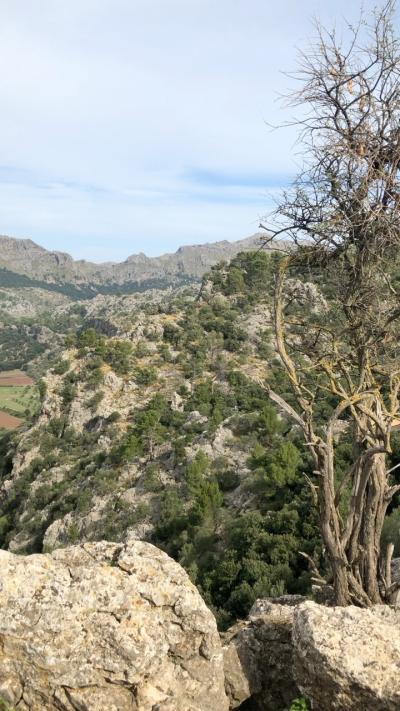
The sound of cicadas and the scent of pine set the scene along the island’s rugged Tramuntana range and crystal-clear coves. Wild camping is generally prohibited in these areas, especially on protected beaches like Es Trenc or Cala Mondrago, as well as within the UNESCO-listed Serra de Tramuntana. Authorities enforce regulations to safeguard the delicate natural habitats and ensure that the quiet charm of towns such as Valldemossa and Deia remains undisturbed.
Official campsites near Alcudia or Pollenca offer permitted overnight stays with facilities, but pitching a tent or parking a campervan outside these designated spots can lead to fines. During the dry months, fire restrictions become stringent to prevent wildfires, so open flames and campfires are typically banned. Following Leave No Trace principles is essential—pack out all rubbish and respect wildlife, particularly where local species thrive amidst olive groves and vineyards.
If you’re relying on public transport such as the TIB buses or the historic Soller train for access, nearby campsites make a more practical base. Many visitors choose to explore the island’s landscape by day and return to structured campsites by evening for safety and peace of mind. Checking current regulations ahead of time is wise, as seasonal changes can tighten restrictions, particularly in areas prone to fire and environmental pressure. Modeling your trip on local customs preserves Mallorca’s natural beauty and makes for a more relaxed, responsible experience.
Official campsites near Alcudia or Pollenca offer permitted overnight stays with facilities, but pitching a tent or parking a campervan outside these designated spots can lead to fines. During the dry months, fire restrictions become stringent to prevent wildfires, so open flames and campfires are typically banned. Following Leave No Trace principles is essential—pack out all rubbish and respect wildlife, particularly where local species thrive amidst olive groves and vineyards.
If you’re relying on public transport such as the TIB buses or the historic Soller train for access, nearby campsites make a more practical base. Many visitors choose to explore the island’s landscape by day and return to structured campsites by evening for safety and peace of mind. Checking current regulations ahead of time is wise, as seasonal changes can tighten restrictions, particularly in areas prone to fire and environmental pressure. Modeling your trip on local customs preserves Mallorca’s natural beauty and makes for a more relaxed, responsible experience.

Sant Elm
More Fotos