What role did the Moors play in shaping Palma's history and culture?
Similar Topics
Palma history
Moorish influence
Mallorca culture
Almudaina Palace
Mediterranean destination
Mallorquín language
Islamic architecture
cultural heritage
agricultural practices
historical neighborhoods
The Moors played a significant role in shaping Palma's history and culture, particularly during their rule from the 10th to the 13th centuries. When they arrived on the island of Mallorca, they brought with them advanced agricultural practices, sophisticated architecture, and a rich cultural heritage that left a lasting imprint on Palma. The introduction of irrigation techniques transformed the arid landscapes into fertile fields, allowing for the cultivation of crops like olives, almonds, and citrus fruits, which became staples of the island's economy. This agricultural revolution not only enhanced the local economy but also influenced the culinary traditions that can still be experienced in Palma today.
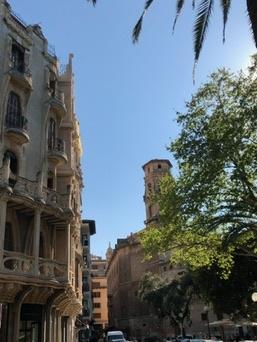
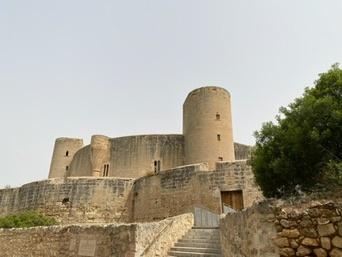
Architecturally, the Moors contributed to the stunning skyline of Palma, most notably through the construction of the impressive Almudaina Palace and the intricate design of the city's narrow, winding streets. The fusion of Islamic architectural styles with local influences can be seen in various structures that still stand, showcasing beautiful arches, intricate tile work, and serene courtyards. This blend of cultures established a unique aesthetic that defines Palma's charm. Additionally, the Moors were instrumental in promoting the arts and sciences, leading to a flourishing of knowledge in areas such as philosophy, mathematics, and astronomy, which continued to influence generations long after their departure.
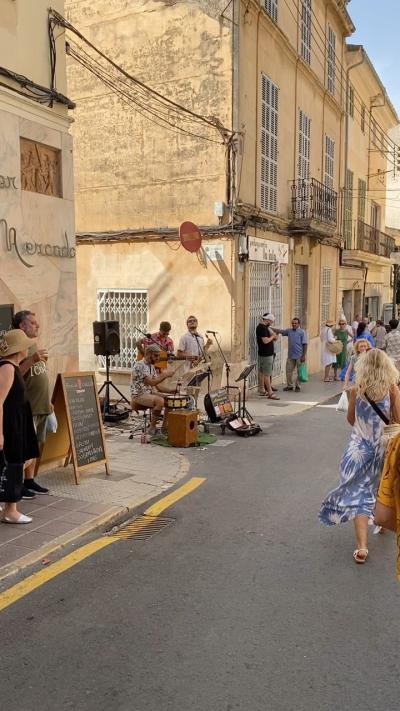
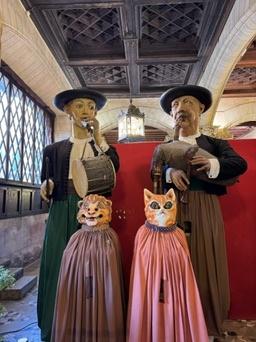
Culturally, the legacy of the Moors is palpable in Palma's language, music, and traditions. Many words in the local dialect, Mallorquín, have Arabic origins, reflecting the deep connections between the past and present. Festivals throughout the year also pay homage to this rich heritage, celebrating the island's diverse history. The captivating blend of Moorish influences can be felt as you stroll through Palma's historic neighborhoods, where the echoes of the past resonate in the vibrant culture of the city today. Exploring Palma offers a glimpse into a fascinating chapter of history that continues to shape the identity of this beautiful Mediterranean destination.
Architecturally, the Moors contributed to the stunning skyline of Palma, most notably through the construction of the impressive Almudaina Palace and the intricate design of the city's narrow, winding streets. The fusion of Islamic architectural styles with local influences can be seen in various structures that still stand, showcasing beautiful arches, intricate tile work, and serene courtyards. This blend of cultures established a unique aesthetic that defines Palma's charm. Additionally, the Moors were instrumental in promoting the arts and sciences, leading to a flourishing of knowledge in areas such as philosophy, mathematics, and astronomy, which continued to influence generations long after their departure.
Culturally, the legacy of the Moors is palpable in Palma's language, music, and traditions. Many words in the local dialect, Mallorquín, have Arabic origins, reflecting the deep connections between the past and present. Festivals throughout the year also pay homage to this rich heritage, celebrating the island's diverse history. The captivating blend of Moorish influences can be felt as you stroll through Palma's historic neighborhoods, where the echoes of the past resonate in the vibrant culture of the city today. Exploring Palma offers a glimpse into a fascinating chapter of history that continues to shape the identity of this beautiful Mediterranean destination.
Palma
More Fotos