How do Mallorca's traditional agricultural practices differ from those in mainland Spain?
Similar Topics
mallorca agriculture
serra de tramuntana
binissalem wines
sobrassada production
almond farming
pa amb oli
festa de l'ametler
mallorca local food
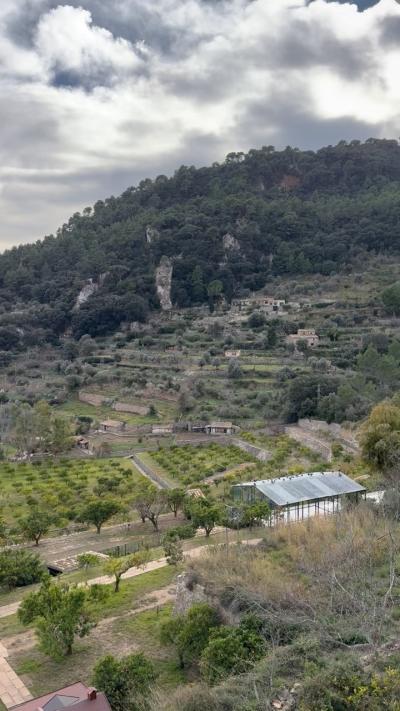
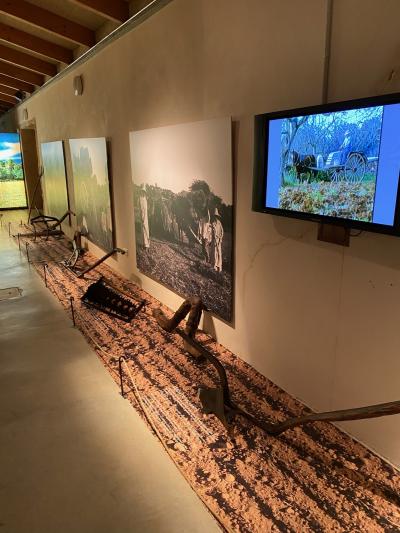
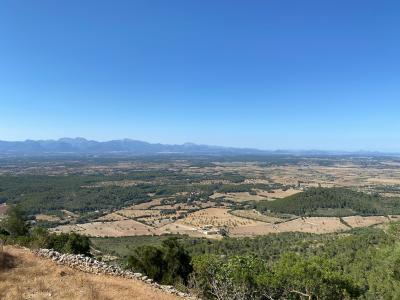
If you’re exploring the island’s countryside, you’ll notice how its agricultural heritage stands apart from many mainland Spanish regions. The dry Mediterranean climate around towns like Manacor fosters an emphasis on crops suited to this heat and limited rainfall, such as almonds, olives, and vineyards, especially around Binissalem where winemaking thrives. Unlike the extensive cereal fields of Castilla-La Mancha or the dairy farms of Galicia, Mallorca’s fields often have terraced layouts in the Serra de Tramuntana, reflecting centuries-old techniques to combat erosion and make the most of rugged terrain.
Local produce like sobrassada, a cured pork sausage, and the sweet ensaimada pastry are direct tastes of this agricultural tradition. The emphasis here lies not just in crop variety but in the methods themselves—many farmers still harvest almonds and carob by hand and use sustainable irrigation techniques inherited from Moorish times. In contrast, Catalonia’s modern farming has shifted toward large-scale vegetable production, while Mallorca retains a smaller-scale, mixed farming identity closely linked to village life in places like Pollenca and Valldemossa.
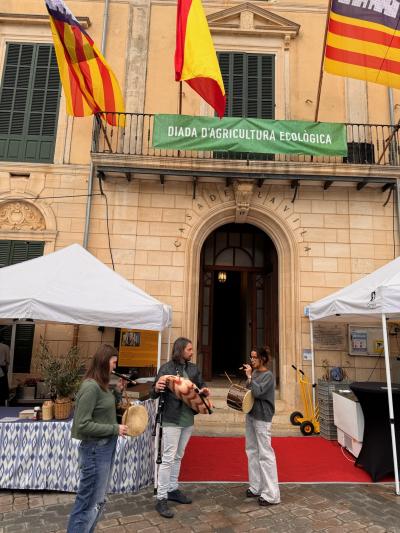
Moreover, island festivals such as the Festa de l'Ametler celebrate the almond blossom, highlighting how agriculture intertwines with local culture. While Mallorca’s agricultural output may be less industrialized, its diversity and rootedness in centuries-old customs contribute to the island’s unique culinary profile, distinct from mainland tastes and farming styles. Exploring local markets in Palma or Alcudia offers a genuine sense of this, whether it’s savoring fresh pa amb oli drizzled with native olive oil or sampling local wines along the Ma-13 route.
Local produce like sobrassada, a cured pork sausage, and the sweet ensaimada pastry are direct tastes of this agricultural tradition. The emphasis here lies not just in crop variety but in the methods themselves—many farmers still harvest almonds and carob by hand and use sustainable irrigation techniques inherited from Moorish times. In contrast, Catalonia’s modern farming has shifted toward large-scale vegetable production, while Mallorca retains a smaller-scale, mixed farming identity closely linked to village life in places like Pollenca and Valldemossa.
Moreover, island festivals such as the Festa de l'Ametler celebrate the almond blossom, highlighting how agriculture intertwines with local culture. While Mallorca’s agricultural output may be less industrialized, its diversity and rootedness in centuries-old customs contribute to the island’s unique culinary profile, distinct from mainland tastes and farming styles. Exploring local markets in Palma or Alcudia offers a genuine sense of this, whether it’s savoring fresh pa amb oli drizzled with native olive oil or sampling local wines along the Ma-13 route.
More Fotos