How does Mallorca's wildlife adapt to vegetation changes after wildfires?
Similar Topics
mallorca wildlife
vegetation recovery
post-fire ecology
tramuntana wildlife
mallorca plant regrowth
balearic birds
mediterranean fire
mallorca biodiversity
The dry Mediterranean landscape around the Serra de Tramuntana is especially vulnerable to wildfires during the hottest summer months. When a fire sweeps through these pine forests or scrublands, it initially forces many animals to flee toward safer, often higher ground. Birds like the Balearic warbler may take advantage of the early regrowth of shrubs, which sprout quickly in nutrient-rich post-fire soils. Similarly, insects and pollinators are drawn to blooming plants that regenerate rapidly, creating feeding and breeding opportunities.
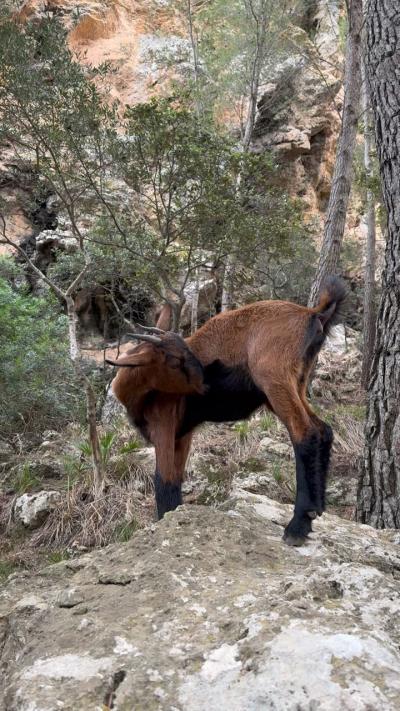
Mammals such as wild goats in the Tramuntana or small rodents around Alcúdia find that the new vegetation patchworks offer fresh forage in the months following the fire. This often leads to a temporary surge in animal activity and population as herbivores thrive on the tender new shoots, attracting predators in turn. Some endemic plants on the island, including species adapted to the Mediterranean climate like mastic trees and rosemary, have evolved to take advantage of fire for seed germination, ensuring long-term ecological renewal.
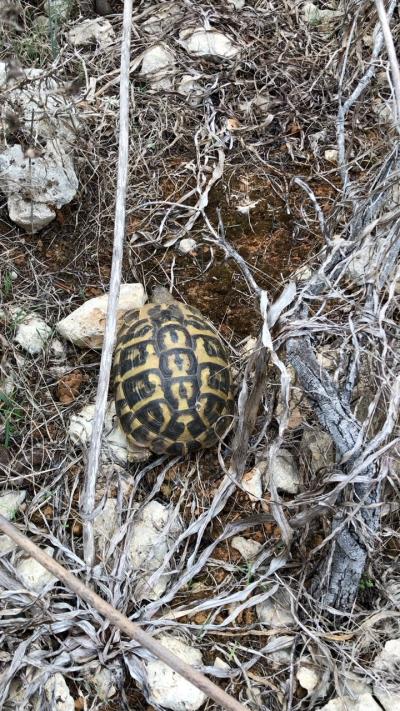
Over the span of a few seasons, the recovering landscape supports a shift in the balance of species. Hardy plants recolonise first, followed by more diverse flora that can sustain a broader range of fauna. This dynamic rebalancing affects everything from the butterflies in the fields near Manacor to the reptiles basking on coastal paths by Formentor. For visitors exploring the Ma-10 or hiking near Valldemossa, observing these ecological changes provides a vivid demonstration of nature’s resilience and the interconnected cycles that define the island’s unique biodiversity.
Mammals such as wild goats in the Tramuntana or small rodents around Alcúdia find that the new vegetation patchworks offer fresh forage in the months following the fire. This often leads to a temporary surge in animal activity and population as herbivores thrive on the tender new shoots, attracting predators in turn. Some endemic plants on the island, including species adapted to the Mediterranean climate like mastic trees and rosemary, have evolved to take advantage of fire for seed germination, ensuring long-term ecological renewal.
Over the span of a few seasons, the recovering landscape supports a shift in the balance of species. Hardy plants recolonise first, followed by more diverse flora that can sustain a broader range of fauna. This dynamic rebalancing affects everything from the butterflies in the fields near Manacor to the reptiles basking on coastal paths by Formentor. For visitors exploring the Ma-10 or hiking near Valldemossa, observing these ecological changes provides a vivid demonstration of nature’s resilience and the interconnected cycles that define the island’s unique biodiversity.

More Fotos

Related Questions
Related Question
Are taxis easy to find in Palma and other towns, and how do taxi prices compare with buses and trains on the island?
Related Question
What kind of atmosphere can I expect at a restaurant near Es Trenc beach?
Related Question
What is the atmosphere like at the markets in Inca on a typical day?