What is the historical importance of maritime law in Palma's trade development?
Similar Topics
palma port
maritime law
consolat del mar
medieval trade
balearic shipping
mallorca history
mediterranean trade
maritime heritage
The maritime laws that governed Palma during its medieval heyday played a pivotal role in shaping the city’s commercial growth. As a key port in the western Mediterranean, Palma’s legal framework for seafaring trades was deeply influenced by the Consolat del Mar, a medieval code that regulated shipping practices, trade disputes, and navigation rules. These laws provided consistency and security, allowing merchants who sailed between Palma, Barcelona, and other Mediterranean hubs to operate under clear, recognized statutes.
Through the centuries, Palma’s role as a maritime center expanded alongside the adoption and adaptation of these maritime codes. The Consolat del Mar’s provisions helped the island maintain lucrative trade routes and manage conflicts, crucial in a time when piracy and political rivalries threatened commerce. This legal tradition also influenced maritime regulations across the Balearics, connecting Palma’s harbor with ports from Alcudia’s natural harbor on the north coast to the southern coves near Cala Llombards.
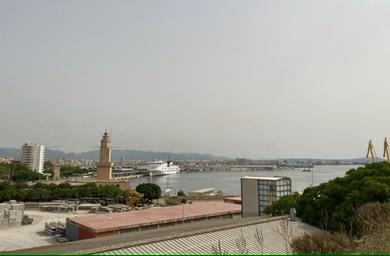
Although the original Consolat del Mar no longer functions as a legal authority today, its legacy remains embedded in Palma’s maritime identity and historical architecture. Visitors walking through the old port or exploring the quarters around La Llotja can sense how these regulations underpinned the city’s trade networks. The laws stand as a reminder of Mallorca’s importance within Mediterranean commerce and continue to be a point of reference for historians tracing the island’s rich nautical heritage.
Through the centuries, Palma’s role as a maritime center expanded alongside the adoption and adaptation of these maritime codes. The Consolat del Mar’s provisions helped the island maintain lucrative trade routes and manage conflicts, crucial in a time when piracy and political rivalries threatened commerce. This legal tradition also influenced maritime regulations across the Balearics, connecting Palma’s harbor with ports from Alcudia’s natural harbor on the north coast to the southern coves near Cala Llombards.
Although the original Consolat del Mar no longer functions as a legal authority today, its legacy remains embedded in Palma’s maritime identity and historical architecture. Visitors walking through the old port or exploring the quarters around La Llotja can sense how these regulations underpinned the city’s trade networks. The laws stand as a reminder of Mallorca’s importance within Mediterranean commerce and continue to be a point of reference for historians tracing the island’s rich nautical heritage.

Palma
More Fotos