What is the history behind the architecture in Algaida?
- Algaida architecture
- Mallorca history
- Moorish influence
- Church of Santa Maria
- Baroque style
- Traditional Mallorcan elements
- Architectural diversity
- Historic preservation
- Cultural heritage
- Mallorca travel
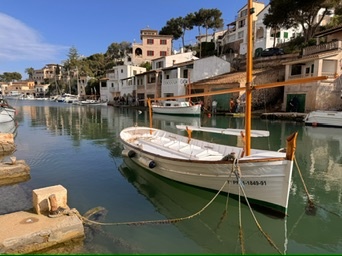
Algaida, a charming village located in the heart of Mallorca, boasts a rich architectural history that reflects its agricultural roots and the influences of various cultures over the centuries. The village's origins can be traced back to the 13th century, during the time of the Christian Reconquista, when the area was repopulated by settlers from Catalonia. This early period saw the construction of simple stone houses and rustic structures, designed to accommodate the needs of farmers and laborers working the fertile land.
As Algaida grew, so did its architectural diversity, influenced by the Moorish presence that lingered long after the Reconquista. The blending of styles is evident in the layout of the village, where narrow streets wind through quaint homes adorned with traditional Mallorcan elements such as wooden balconies and terracotta roofs. Notable buildings, like the Church of Santa Maria, constructed in the 18th century, showcase a Baroque style that reflects the period's artistic trends, while its sturdy stone walls speak to the island’s historical need for defense against piracy and invasions.
In more recent times, the architecture of Algaida has embraced both preservation and innovation. Many of the older structures have been lovingly restored, allowing visitors to appreciate the craftsmanship of the past, while new developments have been thoughtfully integrated to maintain the village's character. As you stroll through Algaida, you'll notice how the architecture tells a story of resilience and adaptation, reflecting the community’s enduring spirit and the beautiful landscape that surrounds it. This harmonious blend of history and contemporary life makes Algaida a captivating destination for those interested in exploring Mallorca's architectural heritage.