What changes have been observed in songbird populations across Mallorca in recent years?
Similar Topics
songbird population
tramuntana birds
mallorca wildlife
balearic warbler
birdwatching mallorca
habitat conservation
mondragó park
pollenca birds
The early mornings along the Tramuntana foothills and citrus groves reveal much about the songbird species that have adapted or struggled here. Shifts in weather patterns and land use have played a considerable role. Urban expansion around Palma and rising tourism development along the Ma-13 corridor have reduced the woodland and scrub habitats many songbirds rely on, impacting species like the Balearic warbler. Agricultural intensification near Manacor and Alcúdia has also altered their feeding and nesting grounds.
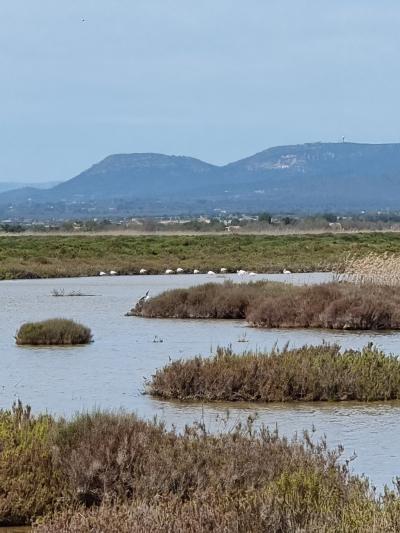
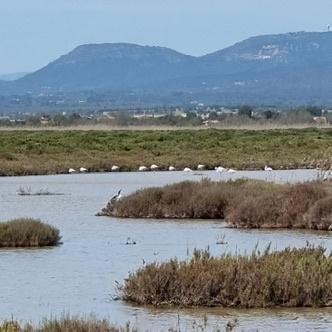
Changes in precipitation and temperature have affected migratory timings, with some species arriving earlier in spring or departing later in autumn. Local efforts to protect habitats in natural parks such as Mondragó and the s'Albufera wetlands have helped stabilize populations in these refuges, providing safe breeding and feeding areas. Birdwatching groups around Pollenca and Valldemossa engage in monitoring, raising awareness about maintaining corridors for species to move freely.
Visitors hoping to observe songbirds will find that the quieter rural areas and protected parks offer the best opportunities, particularly in early morning or late afternoon. The island’s conservation projects underscore the fragile balance between development and nature, highlighting the importance of preserving these melodic inhabitants to maintain Mallorca’s rich biodiversity for years to come.
Changes in precipitation and temperature have affected migratory timings, with some species arriving earlier in spring or departing later in autumn. Local efforts to protect habitats in natural parks such as Mondragó and the s'Albufera wetlands have helped stabilize populations in these refuges, providing safe breeding and feeding areas. Birdwatching groups around Pollenca and Valldemossa engage in monitoring, raising awareness about maintaining corridors for species to move freely.
Visitors hoping to observe songbirds will find that the quieter rural areas and protected parks offer the best opportunities, particularly in early morning or late afternoon. The island’s conservation projects underscore the fragile balance between development and nature, highlighting the importance of preserving these melodic inhabitants to maintain Mallorca’s rich biodiversity for years to come.
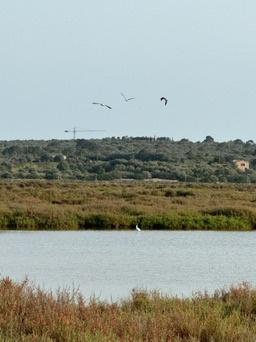
ses Covetes
More Fotos