How did Ramon Llull's work influence the culture of Mallorca during his time?
Similar Topics
Ramon Llull
Mallorca culture
13th century philosophy
Catalan literature
Christian mysticism
interfaith communication
educational institutions Mallorca
Mallorca arts
cultural identity
intellectual community
Ramon Llull, a prominent figure in the 13th century, had a profound influence on the culture of Mallorca, particularly through his innovative approach to philosophy and education. As a native of the island, Llull’s work introduced a unique blend of Christian mysticism and rational thought, which resonated deeply with the local populace. His most significant contribution was the development of a new method of teaching that integrated logic and reason with spirituality, aiming to create a deeper understanding of faith. This method not only enriched the intellectual atmosphere of Mallorca but also laid the groundwork for future educational endeavors in the region.
Llull's literary output, particularly his writings in Catalan, played a crucial role in promoting the use of the local language and fostering a sense of cultural identity among the Mallorcans. By choosing to write in Catalan, he elevated the status of the language, encouraging others to express themselves in their native tongue. This shift contributed to the flourishing of literature and arts on the island, as more writers and thinkers began to explore themes that were deeply rooted in their own experiences and surroundings. Llull's emphasis on dialogue and understanding between different cultures also made him an early advocate for interfaith communication, which influenced the diverse social fabric of Mallorca during his time.
Furthermore, Llull's establishment of institutions for learning and his promotion of the arts fostered a vibrant intellectual community. His influence extended beyond theology to areas such as mathematics and the sciences, helping to cultivate a spirit of inquiry that would shape the cultural landscape of Mallorca for generations. As a result, Llull not only left a lasting legacy as a philosopher and writer but also as a catalyst for cultural growth on the island, inspiring future thinkers and artists to pursue their passions and engage with the world around them. This rich cultural heritage is still evident today, making Mallorca a fascinating destination for those interested in the interplay between history, language, and the arts.
Llull's literary output, particularly his writings in Catalan, played a crucial role in promoting the use of the local language and fostering a sense of cultural identity among the Mallorcans. By choosing to write in Catalan, he elevated the status of the language, encouraging others to express themselves in their native tongue. This shift contributed to the flourishing of literature and arts on the island, as more writers and thinkers began to explore themes that were deeply rooted in their own experiences and surroundings. Llull's emphasis on dialogue and understanding between different cultures also made him an early advocate for interfaith communication, which influenced the diverse social fabric of Mallorca during his time.
Furthermore, Llull's establishment of institutions for learning and his promotion of the arts fostered a vibrant intellectual community. His influence extended beyond theology to areas such as mathematics and the sciences, helping to cultivate a spirit of inquiry that would shape the cultural landscape of Mallorca for generations. As a result, Llull not only left a lasting legacy as a philosopher and writer but also as a catalyst for cultural growth on the island, inspiring future thinkers and artists to pursue their passions and engage with the world around them. This rich cultural heritage is still evident today, making Mallorca a fascinating destination for those interested in the interplay between history, language, and the arts.
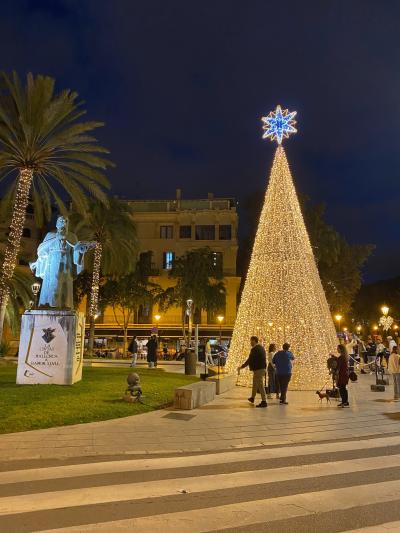
Palma
More Fotos