What should I do if I spot a protected animal or plant while hiking the Serra de Tramuntana?
Similar Topics
serra de tramuntana
protected species
wildlife safety
valldemossa flora
balearic lizard
environmental care
mallorca conservation
local wildlife authorities
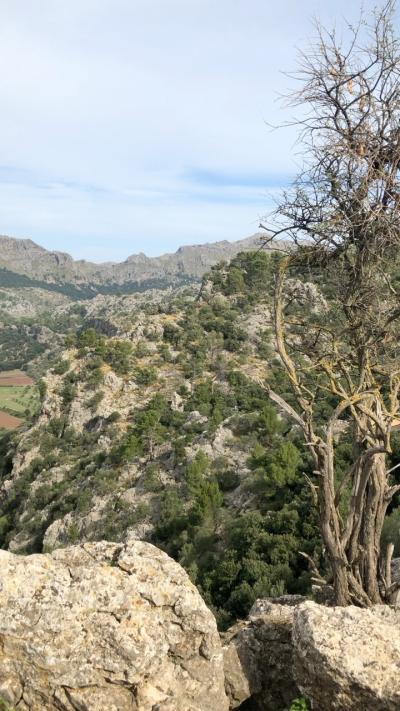
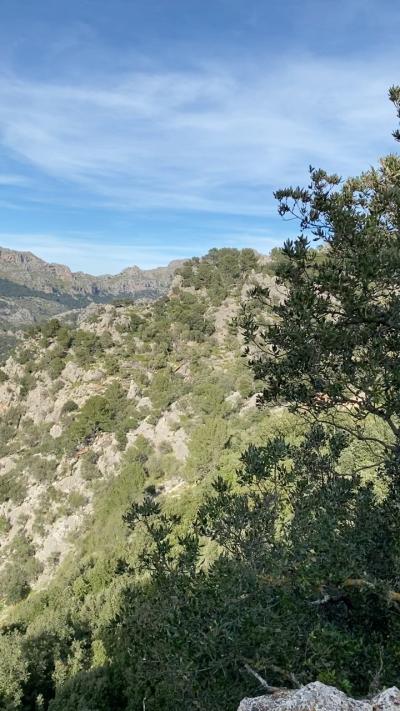
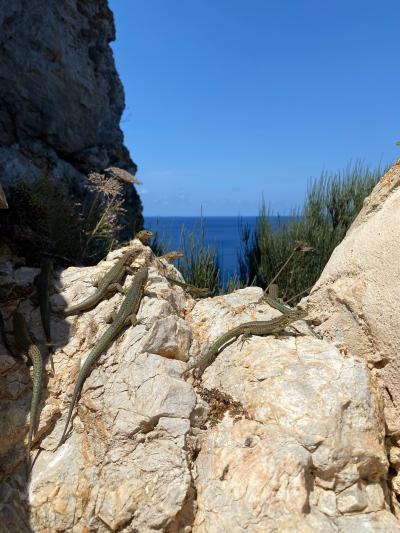
In the shaded olive groves around Valldemossa or while trekking the rugged trails near Puig Major, you might come across a protected species such as the Balearic lizard or the native rockrose. It's important to admire these glimpses without disturbing the delicate balance of their habitat. Keep a respectful distance and resist the urge to touch or feed any wildlife; many of these species are sensitive to human presence and sudden interruptions can cause stress.
If you notice an animal that appears injured or behaving oddly along paths like those near Deià or Sóller, the best approach is to quietly step back, giving it space to recover or move away safely. Avoid using flash photography, as it can startle creatures like the endangered Mallorca midwife toad or endemic birds. For plants, do not pick wildflowers such as the threatened Mediterranean orchids found in the Tramuntana foothills.
Should you feel the animal or plant is in immediate danger—perhaps due to human impact or habitat damage—contact the local environmental authorities or park wardens who patrol the Serra de Tramuntana. They have the expertise and equipment to manage these situations effectively. Familiarizing yourself with regional conservation laws and respecting guidelines, whether you’re in Pollensa’s pine forests or the craggy coves near Formentor, ensures your discovery contributes to preserving the island’s natural heritage for years to come.
If you notice an animal that appears injured or behaving oddly along paths like those near Deià or Sóller, the best approach is to quietly step back, giving it space to recover or move away safely. Avoid using flash photography, as it can startle creatures like the endangered Mallorca midwife toad or endemic birds. For plants, do not pick wildflowers such as the threatened Mediterranean orchids found in the Tramuntana foothills.
Should you feel the animal or plant is in immediate danger—perhaps due to human impact or habitat damage—contact the local environmental authorities or park wardens who patrol the Serra de Tramuntana. They have the expertise and equipment to manage these situations effectively. Familiarizing yourself with regional conservation laws and respecting guidelines, whether you’re in Pollensa’s pine forests or the craggy coves near Formentor, ensures your discovery contributes to preserving the island’s natural heritage for years to come.

Sa Calobra
More Fotos