What are some common misconceptions about Mallorca’s natural landscapes and wildlife?
Similar Topics
mallorca nature
serra de tramuntana
mallorcan wildlife
es trenc salt
balearic warbler
mallorcan midwife toad
binissalem vineyards
conservation efforts
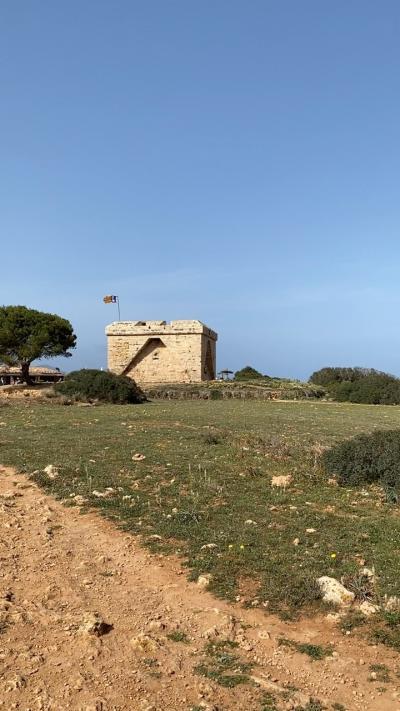
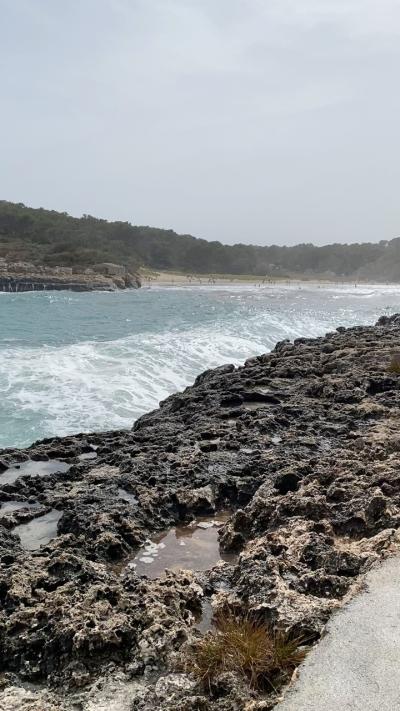
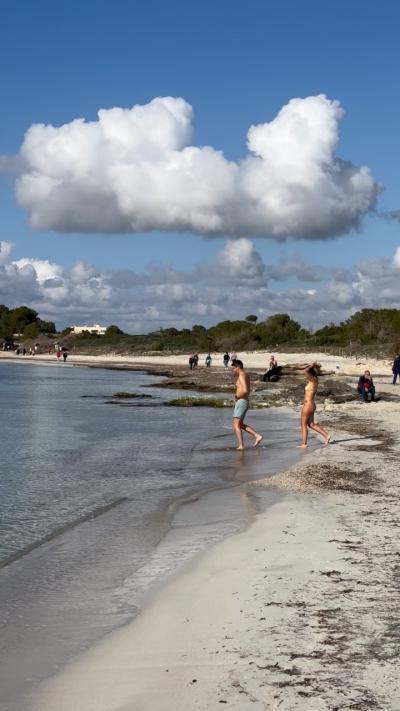
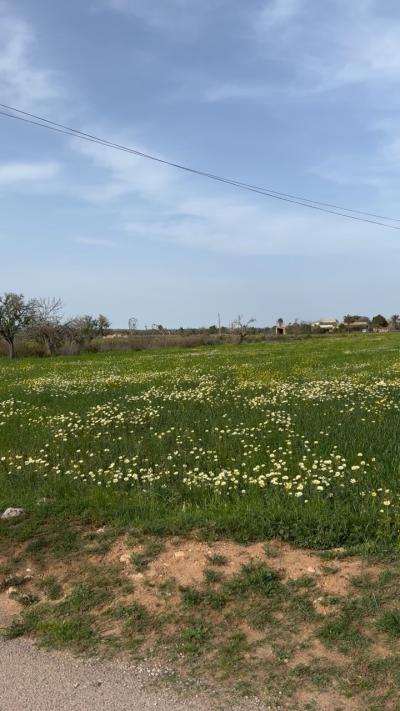
It’s a mistake to think the island’s natural areas are just typical Mediterranean scenery without much variety. In reality, Mallorca’s landscapes range from the rugged peaks of the Serra de Tramuntana to salt flats near Ses Salines and the pine-studded coves along the coastline. Each zone supports distinct plant and animal life adapted to very specific microclimates. For example, the high Tramuntana harbors endemic plants and birds like the Balearic warbler, while the Es Trenc salt marshes attract migratory flamingos and other waterfowl. Nature here is far from uniform; it’s a patchwork of diverse habitats shaped by the island’s geology and history.
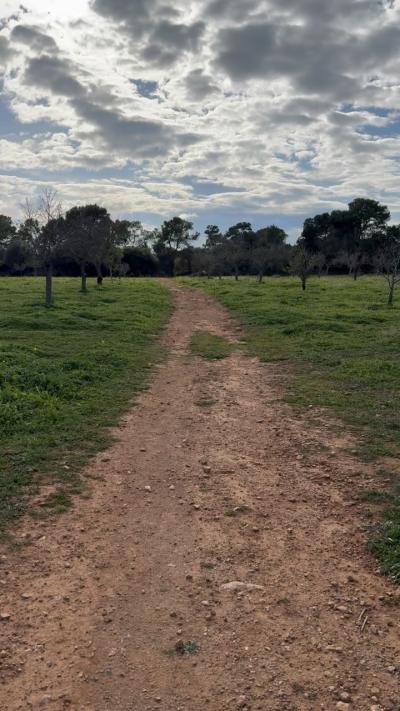
Another common misunderstanding is assuming island wildlife is fragile only because it’s isolated. Some species, like the native Mallorcan midwife toad, have surprisingly hardy populations, while others evolved in balance with traditional farming landscapes that remain alive in places like Valldemossa and Deià. Of course, threats like invasive species, habitat loss, and tourism development exist, but local conservation projects, such as efforts around the Formentor peninsula and the Binissalem vineyards, work diligently to protect these ecosystems. Appreciating this complexity can enrich your visit — these landscapes are living laboratories of adaptation and resilience, not just postcard-perfect backdrops.
Another common misunderstanding is assuming island wildlife is fragile only because it’s isolated. Some species, like the native Mallorcan midwife toad, have surprisingly hardy populations, while others evolved in balance with traditional farming landscapes that remain alive in places like Valldemossa and Deià. Of course, threats like invasive species, habitat loss, and tourism development exist, but local conservation projects, such as efforts around the Formentor peninsula and the Binissalem vineyards, work diligently to protect these ecosystems. Appreciating this complexity can enrich your visit — these landscapes are living laboratories of adaptation and resilience, not just postcard-perfect backdrops.
More Fotos