How did maritime technology evolve in Mallorca to support its trade routes?
Similar Topics
Mallorca maritime technology
trade routes Mallorca
llaut fishing vessel
Medieval Mallorca
navigational techniques
celestial navigation
steamships Mallorca
maritime commerce
Mallorca shipyards
Mediterranean trade
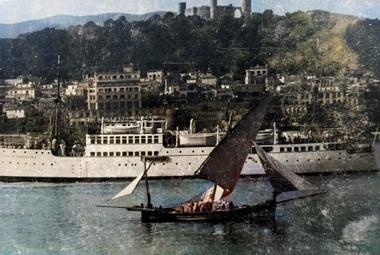
Maritime technology in Mallorca has a rich history that reflects the island's strategic position in the Mediterranean, which has long made it a hub for trade and cultural exchange. Initially, the islanders relied on simple wooden boats, such as the "llaut," a traditional fishing vessel that evolved over the centuries. These boats were designed for local fishing and short-distance travel, using sails made from natural fibers and oars for propulsion. As trade routes expanded, so did the sophistication of these vessels, leading to the development of larger ships capable of navigating longer distances and carrying heavier cargo.
By the time of the medieval period, Mallorca had become a crucial stop for merchant ships traveling between Europe, North Africa, and the Middle East. The introduction of new navigational techniques, such as celestial navigation and the use of compasses, greatly enhanced the safety and efficiency of maritime travel. The construction of larger, more robust ships, equipped with multiple masts and advanced rigging systems, allowed traders to transport goods like olive oil, wine, and textiles across the sea. The shipyards in Mallorca flourished during this time, producing vessels that were not only sturdy but also well-suited for the diverse maritime conditions of the Mediterranean.
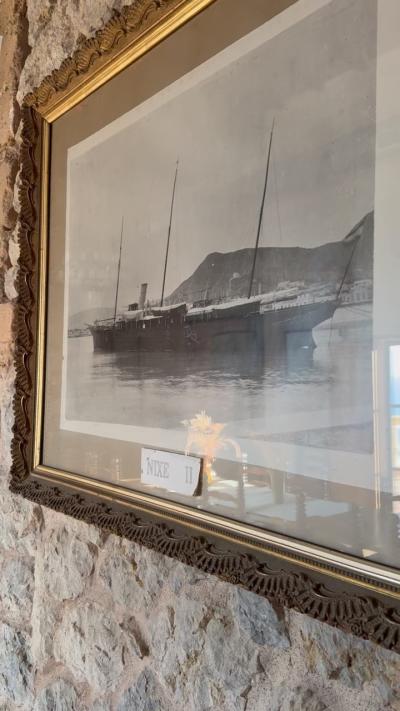
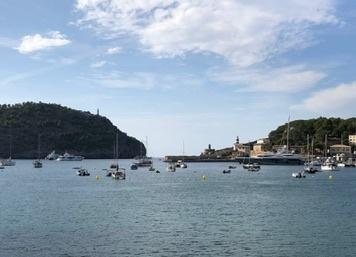
As the centuries progressed, technological innovations continued to shape maritime activities on the island. The advent of steam power in the 19th century marked a significant turning point, as steamships began to replace traditional sailing vessels. This transition enabled faster and more reliable transport of goods, further integrating Mallorca into the broader European trade network. Additionally, improvements in harbor facilities and the construction of lighthouses enhanced safety for incoming and outgoing ships, ensuring that Mallorca remained a vital player in maritime commerce. Today, the legacy of this rich maritime history can still be seen in the bustling ports and vibrant coastal culture that define Mallorca.
By the time of the medieval period, Mallorca had become a crucial stop for merchant ships traveling between Europe, North Africa, and the Middle East. The introduction of new navigational techniques, such as celestial navigation and the use of compasses, greatly enhanced the safety and efficiency of maritime travel. The construction of larger, more robust ships, equipped with multiple masts and advanced rigging systems, allowed traders to transport goods like olive oil, wine, and textiles across the sea. The shipyards in Mallorca flourished during this time, producing vessels that were not only sturdy but also well-suited for the diverse maritime conditions of the Mediterranean.
As the centuries progressed, technological innovations continued to shape maritime activities on the island. The advent of steam power in the 19th century marked a significant turning point, as steamships began to replace traditional sailing vessels. This transition enabled faster and more reliable transport of goods, further integrating Mallorca into the broader European trade network. Additionally, improvements in harbor facilities and the construction of lighthouses enhanced safety for incoming and outgoing ships, ensuring that Mallorca remained a vital player in maritime commerce. Today, the legacy of this rich maritime history can still be seen in the bustling ports and vibrant coastal culture that define Mallorca.
More Fotos