How do Mallorca's climate and geography affect its typical crops and agricultural products?
Similar Topics
mallorca agriculture
tramuntana microclimates
binissalem wine
sobrassada
es trenc almonds
pa amb oli
local markets mallorca
island crops
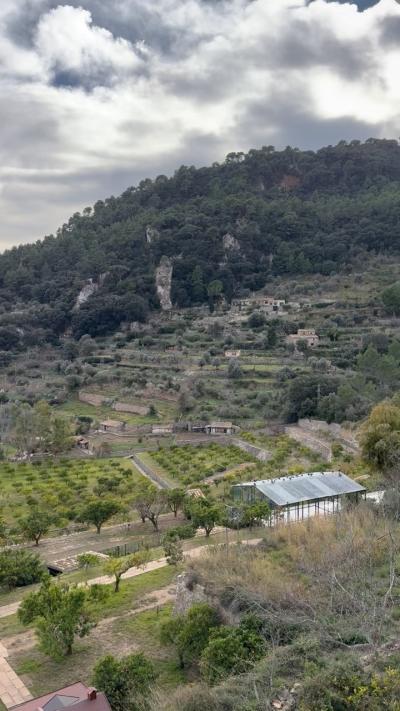
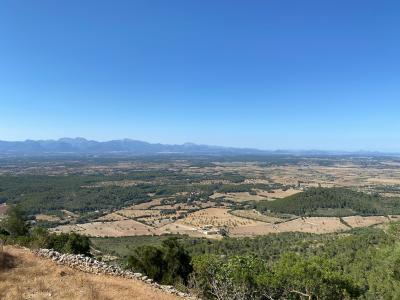
The Serra de Tramuntana's rugged slopes and fertile valleys create a patchwork of microclimates that shape agriculture across the island. In the sheltered valley of Soller, citrus groves flourish, benefiting from the mild, humid air, while the sun-drenched plains around Binissalem support vineyards producing some of Mallorca’s best local wines. The contrast between cool uplands and warmer lowlands allows farmers to cultivate a variety of crops seldom found together elsewhere.
Along the dry southern coast near Es Trenc, salt flats and well-drained soil favor hardy plants like almonds and olives, essential to the island’s culinary traditions. Staples such as tomatoes, peppers, and eggplants thrive in the irrigated plots typical of the central plain, where the dish tumbet originates. The island’s long, sunny growing season is complemented by refreshing breezes off the Mediterranean, creating ideal conditions for both aromatic herbs and fruit trees.
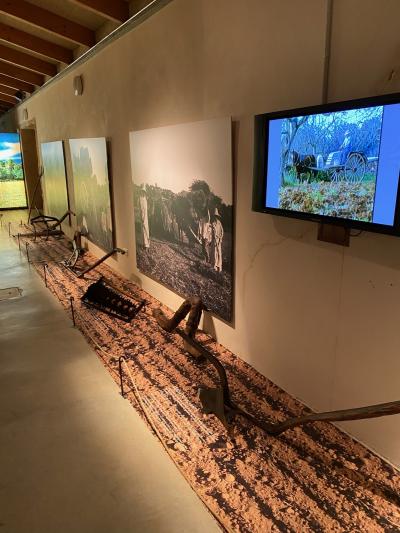
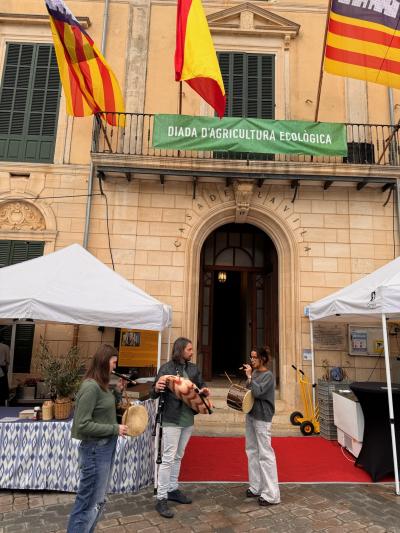
Traditional products like sobrassada and pa amb oli owe much to this diverse agricultural fabric. Local farmers blend centuries-old techniques with modern practices to sustain the land and its yield. Visiting markets in Palma or Pollenca reveals how tightly woven the relationship between geography, climate, and food culture remains, offering a bounty that reflects Mallorca’s unique environment.
Along the dry southern coast near Es Trenc, salt flats and well-drained soil favor hardy plants like almonds and olives, essential to the island’s culinary traditions. Staples such as tomatoes, peppers, and eggplants thrive in the irrigated plots typical of the central plain, where the dish tumbet originates. The island’s long, sunny growing season is complemented by refreshing breezes off the Mediterranean, creating ideal conditions for both aromatic herbs and fruit trees.
Traditional products like sobrassada and pa amb oli owe much to this diverse agricultural fabric. Local farmers blend centuries-old techniques with modern practices to sustain the land and its yield. Visiting markets in Palma or Pollenca reveals how tightly woven the relationship between geography, climate, and food culture remains, offering a bounty that reflects Mallorca’s unique environment.
More Fotos