How long does it typically take to walk from Palma or nearby towns to the nearest beaches at a relaxed pace?
Similar Topics
walking beaches mallorca
palma beach walk
tramuntana hiking
cala mondrago walk
soller beach time
valldemossa to coast
mallorca seaside stroll
beach access walk
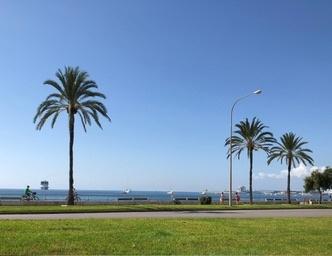
If you’re staying in Palma or towns like Soller or Alcudia, expect a gentle 15 to 30-minute stroll to nearby beaches, depending on exactly where you start. For example, from central Palma, a walk to Can Pere Antoni beach offers a pleasant blend of urban streets and seafront promenade, often taking about 20 minutes. In towns like Soller, the beach is right on the outskirts, so a slow walk down from the town center barely takes 10 minutes, allowing you to enjoy the Tramuntana foothills along the way.
Venturing to quieter coves such as Cala Llombards or Cala Mondragó in the southeast involves slightly longer hikes—sometimes 30 to 40 minutes from the nearest village—often along shaded paths or gentle trails that reveal typical Mediterranean vegetation. The terrain here can be uneven, so factor that into your timing. Seasonal considerations matter too; in peak summer, midday heat might slow your pace, but early morning or late afternoon walks feel especially refreshing.
From inland villages like Valldemossa or Deia, a walk down to nearby coastal spots can take upwards of an hour. The journey often follows scenic rural tracks or sections of the Ma-10 road, which runs through the Serra de Tramuntana and offers spectacular views. These walks are as much about soaking in the island's landscape and tranquillity as reaching the beach itself. A slow pace gives you time to spot local flora, maybe pause for a coffee or a bite of ensaimada in a village café before you dip your toes in the water.
Whichever stretch you choose, remember that many beaches here are best accessed on foot from nearby towns or villages to avoid busy parking areas during the high season. Taking a leisurely pace means you can savor the details — the scent of pine trees, glimpses of traditional stone walls, and the chance to spot a local enjoying pa amb oli by the sea. Walking to the beach is often just as rewarding as the swim you'll enjoy once you arrive.
Venturing to quieter coves such as Cala Llombards or Cala Mondragó in the southeast involves slightly longer hikes—sometimes 30 to 40 minutes from the nearest village—often along shaded paths or gentle trails that reveal typical Mediterranean vegetation. The terrain here can be uneven, so factor that into your timing. Seasonal considerations matter too; in peak summer, midday heat might slow your pace, but early morning or late afternoon walks feel especially refreshing.
From inland villages like Valldemossa or Deia, a walk down to nearby coastal spots can take upwards of an hour. The journey often follows scenic rural tracks or sections of the Ma-10 road, which runs through the Serra de Tramuntana and offers spectacular views. These walks are as much about soaking in the island's landscape and tranquillity as reaching the beach itself. A slow pace gives you time to spot local flora, maybe pause for a coffee or a bite of ensaimada in a village café before you dip your toes in the water.
Whichever stretch you choose, remember that many beaches here are best accessed on foot from nearby towns or villages to avoid busy parking areas during the high season. Taking a leisurely pace means you can savor the details — the scent of pine trees, glimpses of traditional stone walls, and the chance to spot a local enjoying pa amb oli by the sea. Walking to the beach is often just as rewarding as the swim you'll enjoy once you arrive.

More Fotos




Related Questions
Related Question
How can I use social media to check the reliability of hotel reviews when planning to stay in Palma or other parts of Mallorca?
Related Question
Which historical sites in Mallorca are most engaging for kids?
Related Question
How far are the sea view apartments from the beach in Port de Pollença?