How has the Castell de Bellver been preserved and restored over time?
Similar Topics
castell de bellver
palma castle
castle restoration
medieval fortress
balearic heritage
historical preservation
mallorca landmarks
cultural conservation
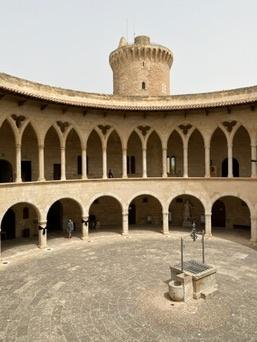
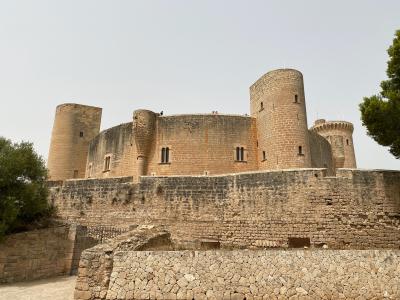
The scent of aged stone and pine fills the air around Castell de Bellver, a unique circular fortress perched just outside Palma. Its preservation has been a meticulous endeavour, balancing respect for its medieval origins with the need to accommodate visitors. Over the decades, local heritage authorities have overseen restorations that stabilized the weather-beaten ramparts and repaired the castle’s distinctive battlements, ensuring this rare architectural form remains intact.
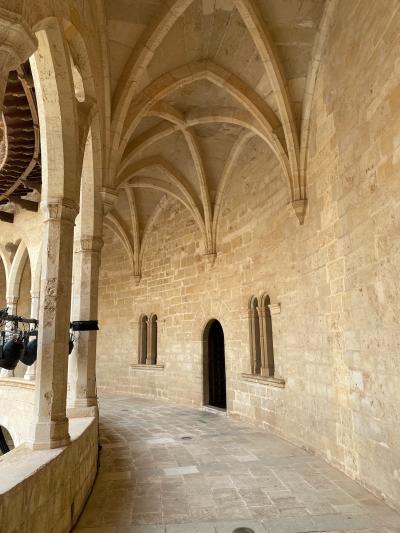
Advanced techniques such as 3D laser scanning have informed restoration plans, enabling craftsmen to conserve intricate details without damaging the original fabric. Efforts have also focused on protecting the castle from the island’s salty sea spray and occasional heavy rains, which can wear down the historic limestone. Community volunteers frequently assist in maintaining the grounds, reinforcing a strong local connection to the site.
Inside, restorations have preserved key rooms to reflect their medieval and later uses, while exhibitions provide insight into the castle’s history as a royal residence, military fortress, and prison. These interpretive elements, combined with cultural events held in the courtyard, bring the castle’s story alive for visitors today. Through careful stewardship, Castell de Bellver continues to dominate the Palma skyline, offering a vivid link to Mallorca’s past while remaining a vibrant part of the community.
Advanced techniques such as 3D laser scanning have informed restoration plans, enabling craftsmen to conserve intricate details without damaging the original fabric. Efforts have also focused on protecting the castle from the island’s salty sea spray and occasional heavy rains, which can wear down the historic limestone. Community volunteers frequently assist in maintaining the grounds, reinforcing a strong local connection to the site.
Inside, restorations have preserved key rooms to reflect their medieval and later uses, while exhibitions provide insight into the castle’s history as a royal residence, military fortress, and prison. These interpretive elements, combined with cultural events held in the courtyard, bring the castle’s story alive for visitors today. Through careful stewardship, Castell de Bellver continues to dominate the Palma skyline, offering a vivid link to Mallorca’s past while remaining a vibrant part of the community.

Palma
More Fotos



Related Questions
Related Question
What specific expatriate writers found refuge in Mallorca during the Spanish Civil War?
Related Question
What precautions should we take for a family trip to Mallorca in terms of health and safety?
Related Question
Where can I find local markets to buy fresh beach snacks near Palma or the north coast?